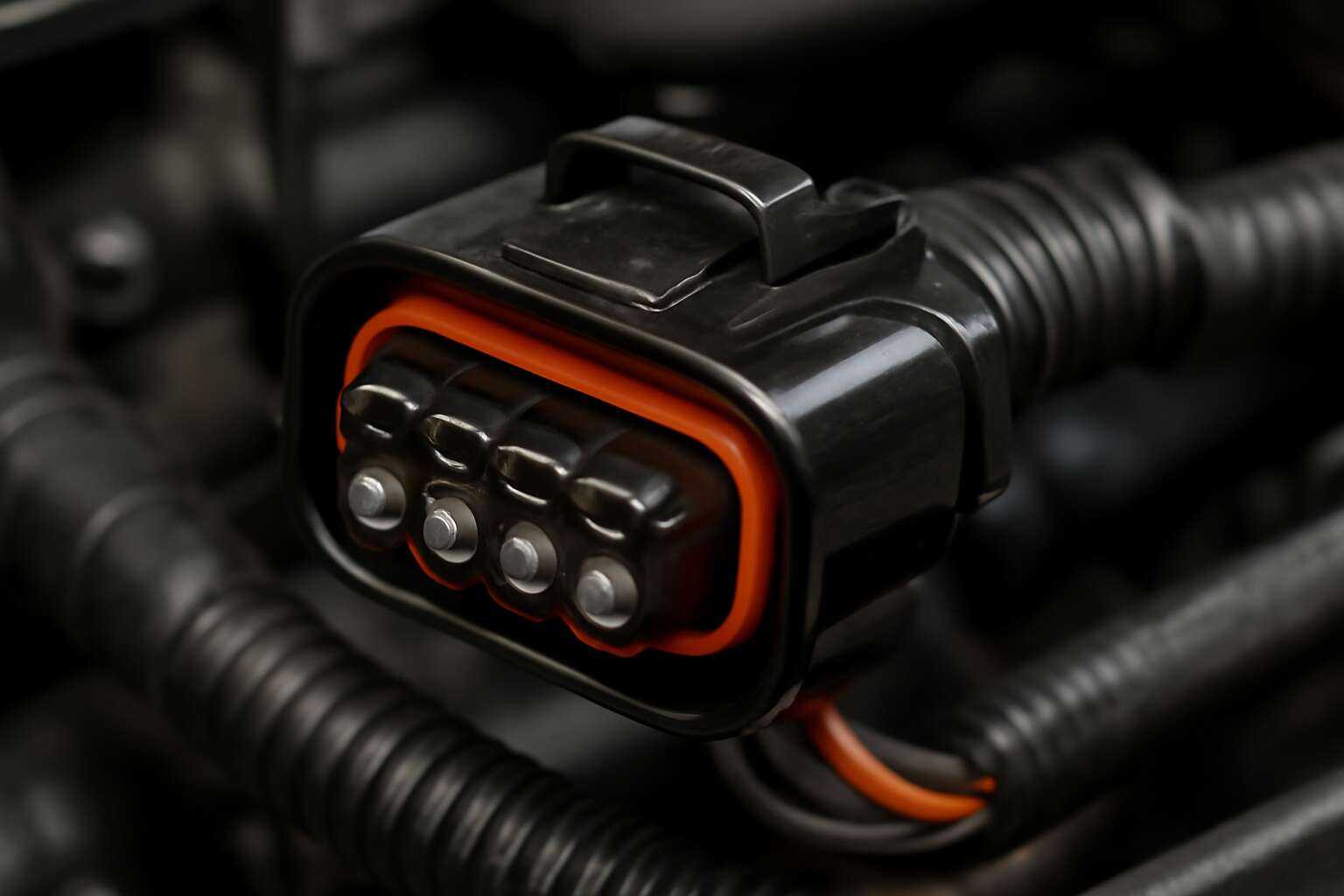
Overview of Automotive Electrical Plugs
What Are Automotive Electrical Plugs
Small as a pebble, mighty as a pulse—these tiny plugs are the quiet architects of every modern drive! ‘A connection is only as strong as its weakest link,’ the workshop wisdom goes, and on South Africa’s roads that truth echoes between the hum of the engine and the glare of heat.
These auto electrical plugs are the gateways where power and information meet: they carry ignition feeds, sensor data, and the signals that light your dash. They brave dust, heat, and vibration, sealing tight to keep corrosion at bay and seasons from turning reliability into a muffled sigh.
To understand their craft, consider a few essentials:
- Weather resistance and seal quality
- Secure mating and vibration tolerance
- Easy replacement and compatible pin configurations
When you respect these tiny connectors, the road rewards steady starts and faithful lights!
Key Functions and Use Cases
Across South Africa’s open roads, a telling stat lingers: up to 60% of stubborn no-start issues begin at a failing connector. auto electrical plugs are the quiet sentinels where power and data converge, the unglamorous gatekeepers that keep ignition, sensors, and dash lights from breaking the spell. They endure dust, heat, and tremor, wrapping reliability in a tenacious seal.
From the cockpit to the curb, their key functions unfold in quiet arcs:
- Power delivery to ignition coils and control modules
- Sensor data channels that feed engine management and safety systems
- Dashboard illumination and signaling networks that keep the night visible
On South Africa’s routes, these connectors narrate a short, grim poem: robust mating, weathered seals, and steadfast vibration tolerance whisper reliability when the world hums and heat blazes. They are use-case chameleons, slipping between engine bays, instrument clusters, and body electrical circuits, shaping how a vehicle speaks to its driver.
Materials and Construction
Across SA’s open roads, up to 60% of stubborn no-starts begin at a failing connector — the quiet gatekeepers that shape every journey. From that spark, auto electrical plugs are built to endure heat, dust, and relentless vibration, weaving reliability with quiet elegance as the engine learns to listen again.
Materials and construction begin with a few steadfast choices:
- Housings from heat-resistant thermoplastics such as nylon or PBT
- Contacts in phosphor bronze or copper alloys with tin or nickel plating
- Seals in EPDM or silicone for moisture and dust resistance
Beyond materials, the construction boots the idea of resilience: tight tolerances, sealed gaskets, and robust terminals that survive thermal cycles and intense engine vibrations. In SA’s climate, these decisions translate into lasting performance.
Each connector becomes a compass for reliability, guiding a journey that stays lit and singing through every mile.
Standards and Safety Considerations
South Africa’s open roads reveal a quiet truth: a single compromised auto electrical plug can derail a day’s drive. Standards keep that risk in check by demanding heat resistance, moisture barriers, and vibration endurance so the engine keeps listening when it matters most.
Across the board, these mechanisms are built to endure SA’s climate and pace. Standards tighten control over auto electrical plugs across vehicle families, from compact cars to heavy-duty trucks, ensuring reliable performance and safe isolation under thermal cycles.
- Environmental resilience: sealing, IP ratings, and dust resistance
- Electrical safety: isolation, corrosion resistance, and material traceability
- Compatibility and documentation: clear part numbers and industry alignment
Types of Automotive Electrical Connectors
Connector Families and Profiles
“Reliability is built one pin at a time,” a guiding engineer reminds us. Across a modern vehicle, connector families arrive like travelers from distant ports—each with a profile, a pin count, and a weathered promise of reliability. From rugged, climate-hardy power plugs to delicate signal sockets, the landscape of automotive connectors is a symphony of form and function. The language of connector families defines how auto electrical plugs behave in heat, dust, and corrugated roads under South Africa’s sun.
- Weather-sealed connectors for harsh environments
- High-current power connectors for starter motors and alternators
- Compact signal and sensor connectors for dashboards and control units
Each profile serves a distinct purpose, from the engine bay to the cabin.
Male vs Female Connectors
South Africa’s sun-baked engine bays reward reliability: a single loose plug can turn a commute into a headache. Male and female connectors are more than labeling; they are tuning forks for reliability in auto electrical plugs. In contemporary harnesses, the male contact carries pins that insert into the female’s sockets, a pairing designed for secure mating even on corrugated roads and long desert drives. The gender choice influences contact pressure, sealing, and how easily diagnostics can reach the circuit without disturbing the assembly.
- Pin‑and‑socket dynamics influence whether power or signal travels cleanly
- Seal and latch design guard against dust and moisture in harsh climates
- Keyed housings prevent mis-mating under vibration
Choosing the correct male‑female pairing in auto electrical plugs isn’t cosmetic—it underpins serviceability on rough roads. The right match minimizes corrosion, simplifies repairs, and keeps dashboards responsive across South Africa’s climate.
Weatherproofing and IP Ratings
South Africa’s sun-baked engine bays teach a harsh lesson: a loose connector is a ticket to a long, expensive commute. In the world of auto electrical plugs, weatherproofing and IP ratings aren’t cosmetic flair—they’re the difference between a dashboard that hums to life and one that sulks in the heat. From Limpopo to the coast, the right mating survives corrugations and desert dust as a matter of attitude, not luck.
- Gaskets and seals that resist dust and moisture
- IP-rated housings (IP65–IP68) for water and spray protection
- Positive latch and keyed designs to prevent mis-mating during vibration
IP ratings like IP65 to IP68 translate to real-world protection against rain, spray, and mud. Seals and keyed housings prevent mis-mating under vibration while making diagnostics accessible without wrestling the whole harness. When weatherproofing and IP protection align, the life of these connectors stretches and serviceability feels effortless.
High Current and Low Current Plugs
In the South African engine bay, the difference between a roar and a murmur hinges on high-current and low-current plugs. These auto electrical plugs carry heavy current, demanding rugged contacts, solid insulation, and precise mating pressure to endure heat and vibration.
Low-current plugs govern the pulse of sensors and data lines, where accuracy trumps brute force. Subtle mis-mating or corrosion can cloud diagnostics and silence the dashboard for longer than a single sunlit day.
- High-current plugs: main power, starters, heavy feeds
- Low-current plugs: sensors, CAN/LIN data lines, control circuits
Both families share keyed alignment, robust seals, and locking mechanisms that survive the relentless SA climate.
Industrial and Specialty Variants
South Africa’s climate turns simple connections into endurance tests. In overheated bays, a flaky contact can paralyze sensors and dashboards, turning function into frustration. These are the moments when industrial and specialty variants reveal themselves, going beyond basic plugs to survive dust, vibration, and corrosive heat—true exemplars of auto electrical plugs.
Industrial and specialty connectors come in several families: harsh-environment circulars, rugged rectangular blocks, and modular data-power hybrids for off-road work. Seals, materials, and locking schemes withstand dust, immersion, and heat cycles.
- Harsh-environment circular connectors
- Rugged rectangular multi-pin blocks
- Modular data and power hybrids
These variants share a single philosophy: solid alignment and sealed interfaces, engineered for heavy-duty use—from mining rigs to SA fleets. Reliability becomes design—an edge that separates dependable gear from the noise of the road. The realm of plugs grows, not shrinks, in tough climates.
Choosing the Right Automotive Electrical Plugs
Vehicle Compatibility and Standards
A veteran auto electrician once said, ‘If the plug doesn’t fit, nothing else fits.’ In South Africa’s bustling workshops and expansive road networks, choosing the right auto electrical plugs is more than a preference—it’s a safeguard that keeps fleets humming and dashboards calm.
Vehicle compatibility isn’t guesswork—it’s alignment of the connector family and profile, current ratings, and OEM documentation to the vehicle’s network and the standards that govern South African fleets. This alignment keeps the system from drifting into fault codes.
- Connector family and profile
- Voltage and current ratings
- OEM specifications and vehicle documentation
- Environmental and regulatory allowances
Selecting the right auto electrical plugs also means thinking about reliability in Africa’s signature conditions—heat, dust, and vibration. When the plugs meet the right standards, service life stretches and downtime shrinks, quietly boosting uptime across every drive.
Electrical Load and Wire Sizing
Power in a dash of precision is the heartbeat of any SA workshop. “Size the load, save the life” is a maxim that echoes between bays as technicians select auto electrical plugs. Choosing the right plugs isn’t a whim—it’s a safeguard that keeps dashboards calm and batteries bright, aligning the plant’s appetite with the hardware that feeds it.
For auto electrical plugs, evaluating Electrical Load and Wire Sizing ensures dependable performance. Electrical Load and Wire Sizing frames the conversation. Even modest accessory kits can push current beyond what a connector can graciously bear, heating the path and inviting faults. A considered approach weighs continuous draw, peak spikes, and the ambient heat of South African roads.
- Continuous load vs peak surge implications for current rating
- Wire gauge and insulation rating relative to ambient heat
- Connector contact resistance and heat dissipation
Durability Materials and Corrosion Resistance
On a sun-baked afternoon in the Karoo, a tray of connectors sits like a small reliquary of reliability. Choosing the right auto electrical plugs isn’t a whim—it’s a safeguard that keeps dashboards calm and rattling tools in rhythm with the road. In South Africa’s heat, dust, and humidity, durability becomes a quiet partner you learn to trust.
Durability in practice starts with materials that endure SA’s harsh days. The right choice blends contact metals with protective coatings, so a plug resists wear, salt spray, and dust that cling to vehicles after long trips.
- Stainless steel or nickel-plated contacts for corrosion resistance
- High-temperature insulation that won’t crack in heat
- Sealed housings and gaskets to keep grit out
From a rural workshop bench, I watch a line of cables and think of how these choices keep families moving. Materials and corrosion resistance aren’t flashy; they’re a quiet promise that keeps the engine singing and the lights steady, even when the road trips extend into the night.
Installation Simplicity and Tool Requirements
In the SA workshop and on the open road, a smart choice starts with installation simplicity. Auto electrical plugs that snap together with minimal fuss keep dashboards calm and technicians focused, even when dust and heat test patience.
Look for plug-and-play designs, keyed shapes to prevent misfit, and weather-sealed housings. Quick-connect terminals and standardized polarity reduce errors and speed fitment, so you waste less time chasing loose ends.
- Color-coded terminals for quick identification
- Sealed, weatherproof housings
- Connector families with matching latch styles
Tool requirements are modest: a basic hand toolkit, a crimping option, and a multimeter for basic checks. With the right balance of design and tools, these plugs offer reliable service without drama.
Installation and Replacement Process
Pre Installation Safety and Battery Disconnection
On South Africa’s sweltering roads, 30% of electrical faults trace to a loose plug, and patience is the first wire you must tend. A steadfast fit whispers reliability in every mile.
Pre-install safety and battery disconnection shape the quiet before work begins. Isolate the battery to curb risk, examine the surrounding area for moisture, and don PPE as a shield against hidden currents.
- Power isolation to prevent arcing
- Connector and harness inspection for corrosion or damage
- Personal protective equipment and proper lighting
Replacement process edges in with clean hands, dry components, and alignment that respects polarity. For auto electrical plugs, when the moment arrives, they seat the unit with a hush, test for mate, then reseal and shield.
South African workshops value resilience; this approach keeps vehicles singing through the heat and dust.
Wiring and Connection Best Practices
South Africa’s roads test patience and power. That 30% of electrical faults trace to a loose plug, and when the heat climbs, reliability hinges on a clean, solid connection for auto electrical plugs!
During installation and replacement of auto electrical plugs, keep the workspace dry and well lit. Verify polarity before seating, then push the unit home with a firm, even press until it seats with a quiet click. Seal and shield to prevent dust and moisture from creeping in.
A quick checklist keeps the work clean and reliable:
- Inspect connectors for corrosion or damage; wipe dry.
- Align polarity and harness orientation to ensure a perfect fit.
- Push the plug firmly until it seats and locks, avoiding angled insertion.
- Test continuity and seal with the proper boot or grommet to keep out dust.
Sealing and Weatherproofing Techniques
South Africa’s sun-baked roads push every connection to its limit. When heat and dust invade the undercarriage, auto electrical plugs become the weak link that turns reliability into a gamble. A well-sealed connection isn’t a luxury—it’s reliability under pressure as temperatures climb.
Weatherproofing these plugs hinges on proper seals and grommets, harness routing that minimizes water ingress, and IP-rated housings with secure boots. Together, these choices curb moisture and dust, protecting contacts from corrosion and vibration.
- Sealing integrity against dust and moisture
- IP rating and shield compatibility with the vehicle
- Boots, grommets, and harness routing to prevent creep
In SA workshops, these principles define dependable maintenance for auto electrical plugs.
Common Mistakes and Quick Fixes
Installation and replacement of auto electrical plugs is a nocturne played out in SA workshops, where heat and dust coil around the harness like unseen serpents. The process demands clean terminals, precise mating, and harness routing that keeps vibrations from gnawing at the bond. When done with discipline, these plugs endure the sun-baked road and the car’s heartbeat alike.
- Misaligned seals or grommets — inviting moisture and creep
- Using incompatible plug profiles for the circuit — poor fit, poor contact
- Skipping continuity checks after seating — hidden faults become loud later
Common fixes are surgical but simple: reseat with deliberate pressure, replace aging boots, and verify the harness remains tension-free. In the world of auto electrical plugs, a careful re-seat and a fresh seal can restore trust where the road has worn it away.
Testing and Verification After Installation
A startling 60% of electrical gremlins begin at the plug, a quiet omen in SA workshops before a dashboard yawns to life. In the aftercare of these plugs, testing and verification after installation becomes the final rite—an act that seals trust between road, heat, and harness.
Meaningful checks go beyond mere fit; they confirm seating, seal integrity, and that the harness lies free from abrasion and vibration. With auto electrical plugs, this verification ritual ensures the bond endures the road’s heartbeat, from scorching sun to desert dust. It’s a quiet vow.
- Visual and tactile verification of seals and seating
- Assessment of electrical continuity and insulation integrity
- Harness routing that remains tension-free under movement
Maintenance, Troubleshooting, and Longevity
Routine Inspection and Cleaning
Across South Africa’s road network, up to 40% of electrical faults begin at the plug—where corrosion and loose connections quietly drain performance. Maintenance for auto electrical plugs preserves the current’s harmony, keeping seating secure and moisture kept at bay so integrity endures.
Troubleshooting is reading the heartbeat of the system. When symptoms surface—dim dash lights, intermittent power, or a wavering connector—one notices clues without disassembly: corrosion, discoloration, or softened plastics whispering trouble instead of truth.
Longevity depends on a simple routine of inspection and cleaning, conducted in a sheltered space away from moisture. A clean, dry connection for these plugs stands as a quiet guardian of reliability, letting performance endure through changing conditions.
Diagnosing Common Plug Issues
Maintenance for auto electrical plugs is the quiet steward of performance, especially on SA highways where heat and dust conspire to corrode. A vigilant approach keeps seating tight and seals dry, preserving the current’s cadence and sparing faults from taking root.
Troubleshooting is reading the heartbeat of the system. When dash lights dim, power flickers, or a connector shivers, clues surface without disassembly: corroded halos, discoloration, or softened plastics whisper trouble instead of truth.
Longevity hinges on a disciplined diagnostic eye. To forestall drama, watch for these common plug issues:
- Corrosion buildup around contacts
- Discoloration or softened plastics indicating heat stress
- Looseness or misalignment causing intermittent contact
- Moisture intrusion forming micro-arcs
Preventative Maintenance and Replacement Intervals
Maintenance is the quiet steward of performance, especially on South Africa’s heat-hazed highways where dust and sun conspire to corrode. A quick, regular check keeps auto electrical plugs seated, seals dry, and the current cadence steady, sparing you from roadside surprises and stubborn gremlins.
Troubleshooting is reading the heartbeat of the system without disassembly: dim dash lights, power flickers, or a shivering connector shout trouble. A careful visual pass—looking for corrosion halos, discoloration, or softened plastics—can surface clues before a roadside epiphany, sparing you a dramatic detour.
Longevity hinges on a disciplined diagnostic eye and sensible replacement intervals. In dusty, heat-hazed environments, wear wears in sooner than you’d guess, so treat the plugs like a long-term asset—schedule periodic reviews during service windows and plan replacements when the signs of fatigue appear.
Environment and Temperature Effects
Maintenance for auto electrical plugs is the quiet guardian on South Africa’s heat-hazed roads. A quick visual check, a gentle reseating, and dry seals guarantee steady current, keeping systems calm and sparing you those roadside surprises that arrive with a bang rather than a whisper.
Troubleshooting is reading the system’s heartbeat without disassembly: dim dash lights, flickering gauges, or a stubborn snap when you plug in. In my experience, a careful glance for corrosion halos, melted plastics, or loosened connections surfaces clues before drama unfolds on the shoulder.
Longevity hinges on disciplined diagnostics and the wear patterns that reveal fatigue, especially where dust and relentless sun accelerate wear. In harsh environments, these signs emerge sooner, underscoring that longevity is earned rather than assumed.
- Dust ingress and dryness cycles aggravate contacts
- Extreme heat reduces insulation integrity
- Vibration abrades mating surfaces
- Humidity fosters corrosion halos
Choosing Quality Parts and OEM Versus Aftermarket
Maintenance for auto electrical plugs acts as a quiet guardian on South Africa’s heat-hazed roads—keeping current steady and sparing you those roadside surprises!
Troubleshooting is reading the heartbeat without disassembly: dim dash lights, flickering gauges, or a stubborn snap when you plug in. Small clues—corrosion halos, melted plastics, or loosened connections—surface long before drama arrives.
Longevity hinges on disciplined diagnostics and choosing quality parts. In harsh SA conditions, OEM options often fit best, offering weather sealing and durable contacts, while trusted aftermarket brands can match performance at a friendlier price. Choosing the right auto electrical plugs can define reliability.

0 Comments