Fundamentals of Vehicle Electrical Systems
Key components of the car electrical system
On South Africa’s busy highways, electrical glitches aren’t just nuisances—they pause journeys and drain wallets. A compelling stat shows nearly a third of breakdowns originate in the electrical system. Fundamentals of vehicle electrical systems rest on a few pillars: the battery, the alternator, the starter motor, the wiring loom, fuses and relays, and the engine control unit that coordinates sensors and actuators. This is essential for any serious approach to car care auto electrical.
Key components include:
- Battery and charging circuit
- Starter motor and ignition system
- Wiring harness and connectors
- Fuses and relays
- Engine control unit (ECU) and sensors
Understanding how these pieces interlock helps you spot wear before it paralyzes a trip across SA’s windy passes. I’ve seen tiny faults ripple through the car’s mind and body, reminding us that maintenance is more than routine—it is a philosophy.
How a car battery works
Across South Africa’s wind-swept passes, a flat battery can turn a sunrise drive into a cold, anonymous wait! In fact, nearly a third of electrical breakdowns trace back to the battery or its charging circuit.
A car battery is a tiny power plant: it stores chemical energy and delivers direct current to crank the starter and wake the electronics. As you drive, the alternator recharges it, keeping the system in harmony with the ECU and sensors. Core components keep the flow steady:
- Lead plates
- Electrolyte
- Separators
Together they convert chemical energy into the spark that starts the day.
Understanding this rhythm helps you value the whole car care auto electrical picture rather than chasing isolated symptoms. When the battery falters, the mind and body of the car—sensors, actuators, and relays—feel the strain.
Charging system basics including the alternator and regulator
In the realm of car care auto electrical, the charging system is the heartbeat of every drive across South Africa’s open roads. A battery health check rarely tells the full story; the real score lies in steady voltage that powers headlights, the ECU, and the dashboard’s quiet orchestra. The alternator recharges the battery as you travel, while a regulator keeps the force in check, smoothing the power so electronics wake with grace rather than stumble.
The alternator is driven by the engine belt; it converts mechanical energy into electrical current. The regulator—often housed inside the alternator—stabilizes voltage, preventing spikes that fatigue circuits. When everything aligns, the dashboard glows with confidence and the battery keeps pace with the day’s demands.
Consider these touchpoints:
- Alternator output and belt condition
- Regulator voltage stability
- Interaction between charging system, battery and ECU
Wiring, fuses, and relays explained
One in five breakdowns on South Africa’s roads trace to electrical faults, a stat that shows power management shapes every mile. In car care auto electrical, Fundamentals of Vehicle Electrical Systems Wiring, fuses, and relays reveal the quiet choreography behind the dashboard glow. Wiring harnesses thread through the dash and engine bay, carrying signals and current. Fuses guard circuits, interrupting faults before damage can spread. Relays switch heavy currents with a light touch, keeping electronics awake without drama.
Key touchpoints include:
- Wiring harness basics: routing, shielding, and securing against heat and vibration.
- Fuses: ratings, placement, and how they protect circuits during a fault.
- Relays: how a small signal controls a large current to protect control circuits.
That knowledge turns complexity into clarity, turning mysteries into equalized systems on South Africa’s diverse roads.
Identifying Common Electrical Problems in Modern Vehicles
Symptoms of battery and charging issues
From the vantage point of car care auto electrical, modern power systems read like poetry and peril, braided with copper and chrome. A stat lingers in SA garages: electrical faults drive a share of unexpected breakdowns, a reminder that the battery is the heartbeat of the machine. ‘The glow reveals more than the spark does,’ a veteran mechanic says!
- Dim or flickering headlights and dashboard lights
- Unexplained electrical glitches in accessories
- Slow engine crank or repeated clicking on startup
- Battery or charging system warning lights
- Infotainment or ECU glitches that won’t quit
- Visible corrosion where wires meet terminals
By recognizing these signals, one honours the craft and keeps the road a stage for a modern, shared dream of reliable mobility. Patterns are watched, listening for the battery’s heartbeat and the alternator’s quiet confidence, because the journey matters as much as the spark.
Electrical gremlins in lights gauges and infotainment
Across South Africa’s busy roads, electrical gremlins aren’t whispers in the night—they’re a blunt truth. One in four unexpected breakdowns logged by SA workshops hinge on stubborn circuits and corrupted power flow.
These gremlins wear disguises: lights that dim, gauges that wander, and infotainment that won’t quit its stubborn loop!
- Dim or flickering headlights and dashboard lights
- Erratic gauges and instrument panel glitches
- Infotainment or ECU quirks that resist reset
Taken together, the signs compose a rhythm rather than a riddle—dim lights, wandering gauges, and stubborn infotainment glitches hint at a betrayed electrical orchestra, with wiring, fuses, and modules in uneasy conversation across the CAN bus.
By reading this music, you honor the craft. car care auto electrical keeps the road bright.
Starting and cranking problems explained
Across South Africa’s dawn patrols, starting problems steal mornings—one in four unexpected breakdowns logged by SA workshops hinge on stubborn circuits and corrupted power flow. Modern vehicles run on a symphony of sensors and switches, and a reluctant crank is the overture to a longer fix. When the key turns and the engine resists, you hear more than silence; you hear a broken conversation between the battery’s spark, the starter’s nudge, and the immobilizer’s gatekeeper. That’s the realm of car care auto electrical—where diagnosing the wake-up call begins with listening to the signs.
Identifying common electrical problems in starting and cranking involves noticing patterns: a faint click without rotation, a sluggish or laboured spin, or an engine that cranks but won’t catch.
- Worn starter or solenoid
- Poor engine grounding or corroded connections
- Immobilizer or key transponder issues
- Faulty ignition switch contact or related relays
These clues point to deeper chatter across the vehicle’s data highways—the CAN bus, the hidden folds of wiring, and the guardians at every connector. The journey to brightness and motion, guided by car care auto electrical, is as much about listening as it is about repair.
Parasitic drain and how to spot it
Across South Africa’s dawn patrols, parasitic drain is the quiet saboteur—one in three unexpected battery failures rides its wake. In car care auto electrical practice, we listen for the subtle murmur of a wakeful circuit long after the key has turned and the engine rests. The clues are sly: a clock that loses time, interior lights that refuse to sleep, or a battery that sulks under a cold morning sky.
- Overnight battery discharge that defies quick recharge
- Interior lights glow or flicker after shutdown
- Alarm or immobilizer systems drawing power when the car rests
- Aftermarket devices quietly sipping current
- ECU memory quirks or odd resets after long idle
In this chorus, car care auto electrical translates signals into a portrait of the vehicle’s hidden conversations, a quiet drama that keeps the streets moving and the mornings feeling bright rather than broken.
Preventive Maintenance for Auto Electrical Health
Regular battery maintenance and testing
In the quiet of a dawn on a gravel road, a dependable battery is more than convenience—it’s resilience. “Your battery is the heartbeat of the electrical system,” a veteran South African mechanic likes to say, and it rings true across farm lanes and city streets. Regular maintenance sets that heartbeat to steady rhythm.
For car care auto electrical, regular battery maintenance and testing guard you against the drama of cold starts, sun-baked afternoons, and long rural commutes. It’s not glamour work; it’s quiet, steady care that keeps family trips, school runs, and weekend chores moving. When the battery is healthy, the whole electrical orchestra plays in tune.
- Battery health and terminal condition
- Charging system integrity and belt wear
- Electrical load balance and parasitic drain awareness
Investing in this preventive approach pays off with fewer unexpected failures and more dependable starts, a small mercy in the vast South African landscape.
Charging system checks and voltage tests
In the South African dawn, the road unfurls with possibility and risk. The charging system—silent, essential—keeps every start steadfast and every lamp of travel bright. In the realm of car care auto electrical, preventive maintenance for health means charging system checks and voltage tests that set the rhythm for your day. “The heartbeat of the car is the charging system,” a veteran South African mechanic likes to say, and that truth lands with grace on farm lanes and city streets.
These routine readings catch the faint tremors before they flare, preserving the morning ritual of school runs, farm calls, and weekend escapes. When the alternator breathes cleanly and the voltage holds steady, the journey feels almost effortless, a quiet celebration of reliability in a land of wide skies and long roads.
Electrical connector care and corrosion prevention
Dawn breaks across South Africa with possibility and heat, and nothing stalls a trip like a stubborn electrical fault. A veteran South African mechanic likes to say, “A wobbly connector is a highway gremlin waiting to happen.” That punchy line nails a truth: preventive maintenance for Auto Electrical Health—especially electrical connector care and corrosion prevention—belongs squarely in car care auto electrical. When terminals stay dry and connections tight, mornings roll along from school runs to farm lanes with fewer surprises.
Corrosion may be quiet, but it is ferocious in heat and humidity. A quick visual check reveals dull metal, verdigris, or white powder around the points where wires meet metal. In car care auto electrical, keep a watchful eye on these areas:
- Battery terminals and clamps
- Ground connections to the chassis
- Primary harness connectors
- Alternator and starter plugs
Healthy connectors mean a steadier heartbeat for the electrical system and fewer dashboard dramas, keeping the journey smooth and the mood lightly irreverent—the essence of car care auto electrical.
Electrical system cleaning and safety considerations
“A wobbly connector is a highway gremlin waiting to happen!” In car care auto electrical, preventive maintenance keeps the heartbeat of your ride steady through dusty backroads and early-morning traffic. Electrical system cleaning is less about sparkle and more about preserving contact surfaces, reducing resistance, and keeping heat at bay. The right mindset—curiosity, care, and a patient touch—sustains reliability I’ve seen on countless farm dawns.
Safety considerations guide every clean, from choosing harmless cleaners to honoring the limits of insulation. Treat the system like a living thing: inspect for wear, avoid coaxing moisture into tight spots, and keep power off during any surface contact. In this spirit, car care auto electrical becomes more than maintenance; it becomes a quiet promise to the journey.
High-level safety considerations include:
- Dry, well-ventilated work area
- Respect for insulation and coatings
- Professional handling for complex harnesses
Wiring harness care and climate-related protection
From dawn patrol to long-haul, the wiring is the quiet workhorse of the vehicle. In car care auto electrical, preventive maintenance treats the electrical nervous system like a living thing—steady, patient attention keeps signals clean and heat at bay; I’ve seen it save many a dawn-worn vehicle. A robust harness is a map of reliability on any SA road.
Keeping wiring harnesses in top health means climate-aware care: dust, humidity, and tropical heat conspire to degrade connectors and insulation. Protective loom, weatherproof seals, and careful routing guard against abrasion and moisture, ensuring connections stay loyal across seasons and landscapes.
- Protective loom and shielding
- Moisture barriers for vulnerable connectors
- Visible inspection for wear and corrosion
With a calm, curious mindset, preventive maintenance becomes a steady ritual rather than a chore— a quiet promise to the journey that every mile carries.
DIY Diagnostics and When to Call a Professional
Basic at home diagnostic steps with a multimeter
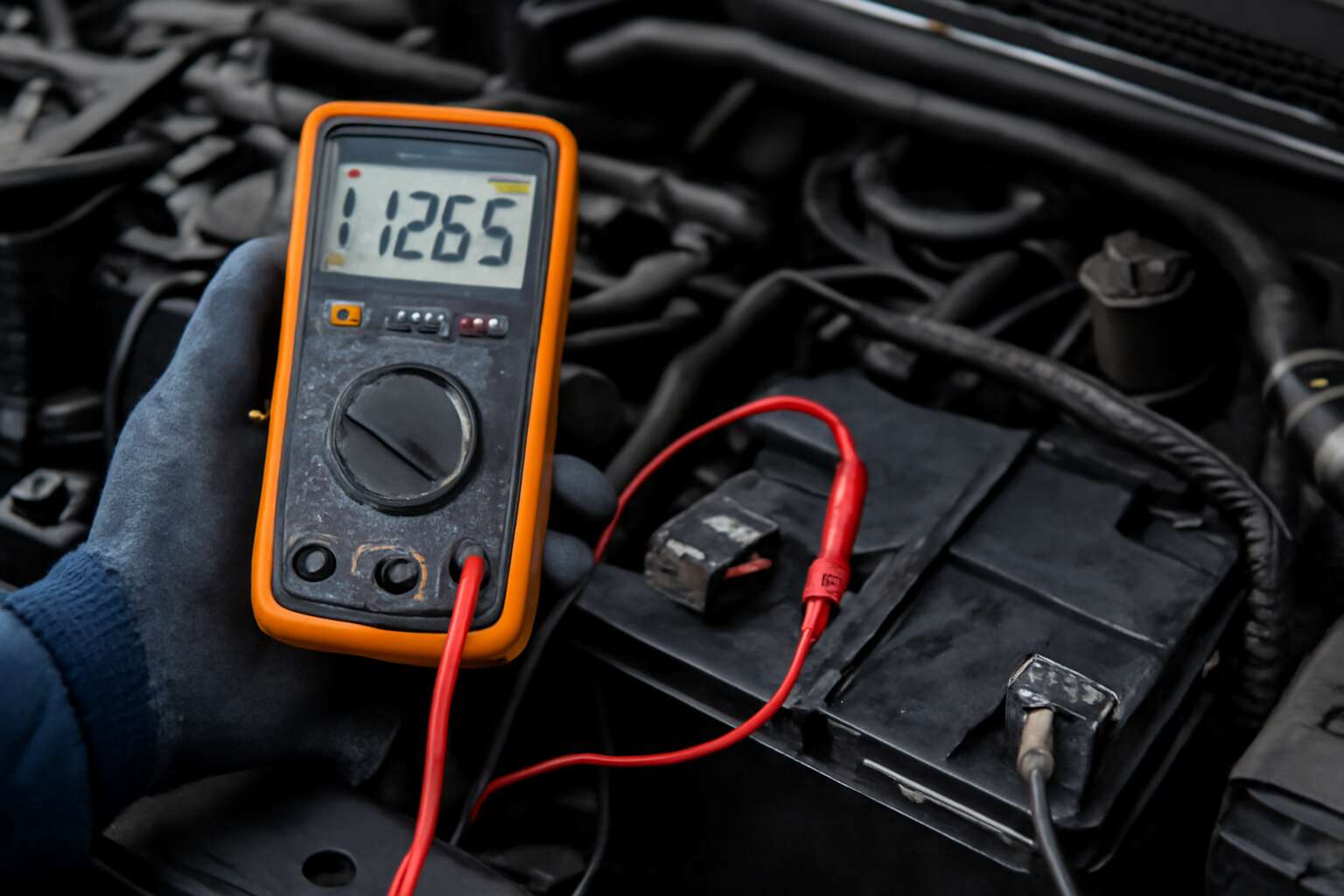
Electric gremlins aren’t afraid of traffic lights; they hide in the shadows where a simple meter becomes a truth-teller. In the realm of car care auto electrical, a patient, methodical approach beats guesswork every time—and it keeps your wallet from performing a dramatic flamingo dance at the tow yard. A well-calibrated multimeter is your best mate, especially here in South Africa, where a sparky’s advice isn’t always money-for-nothing.
- Safety first: switch off, key out, and disconnect the negative battery lead if you’re probing live rails.
- Voltage check: with the engine off, aim for about 12.6V; start the car and you should see 13.8–14.7V as the alternator wakes up.
- Ground and continuity: verify a solid chassis ground and test suspect wires against the wiring diagram for continuity.
- Load test (gentle): observe readings under a light load and watch for odd drops or hot spots; stop if anything smells or smokes.
When in doubt, or readings wiggle without reason, it’s time to call a professional sparky. Visual clues like burnt connectors or a lingering smell trump DIY tests in the SA heat.
Using onboard diagnostics for electrical faults
In the world of car care auto electrical, onboard diagnostics shine a lantern through a fog of suspect circuits. DIY diagnostics can spot hints—misfires, odd sensor readings, electrical gremlins hiding in the loom—but interpretation matters. A lone code may tell a thousand stories, and only the larger picture of engine state, heat, and age of wiring reveals the real fault.
- Codes point to suspects, not certainties
- Pattern changes across heat or idle reveal more than a single reading
- When readings wiggle or repeat, professional help is wise
South African roads, with heat and dust, demand caution. If codes persist beyond a single drive, or if the clues grow fuzzy, a certified sparky with OBD expertise keeps the car reliable and you out of the tow yard’s drama. Stay sharp in the SA heat!
Safety guidelines for working with car electrical systems
In the realm of car care auto electrical, DIY diagnostics offer hints but rarely deliver verdicts. A twitching gauge, a misfiring note, or a loom whisper can point to a culprit, yet interpretation requires context—engine temperature, age, and the arc of electrical life across seasons.
Safety is the first language here: work on a cooled battery, disconnect the negative lead, wear insulated gloves, and keep metal jewelry aside. If readings fluctuate wildly, or you encounter smoke or a burnt scent, pause and call a professional. A certified sparky with proper gear can trace the signal without turning a hobby into a hazard.
- Persistent fault codes that repeat across trips
- Burning smell, melted insulation, or quick fuse blows
- Crackling noises or visible corrosion on connectors
Stay prudent—South Africa’s heat and dust demand respect for the electrical soul of the vehicle, and let expertise guide the journey.
Choosing a qualified auto electrician or shop
In South Africa’s heat, car care auto electrical puzzles gleam with possibility. A twitching gauge, a faint hum, a loom whisper—DIY diagnostics offer hints but rarely a verdict. Interpretation hinges on context: engine temperature, age, and the arc of electrical life across seasons. Patience is a virtue here; a disciplined approach protects both person and machine.
When the at-home readings stay murky or doubts linger after a first check, it’s time to call a professional. Choosing a qualified auto electrician or shop matters as much as the act itself: look for accreditation, transparent diagnostics, and a track record you can trust in your community. A seasoned expert translates signals into stories the dashboard cannot tell.
- Licensed technicians with current warranties
- Up-to-date diagnostic equipment
- Clear, written diagnostic reports

0 Comments