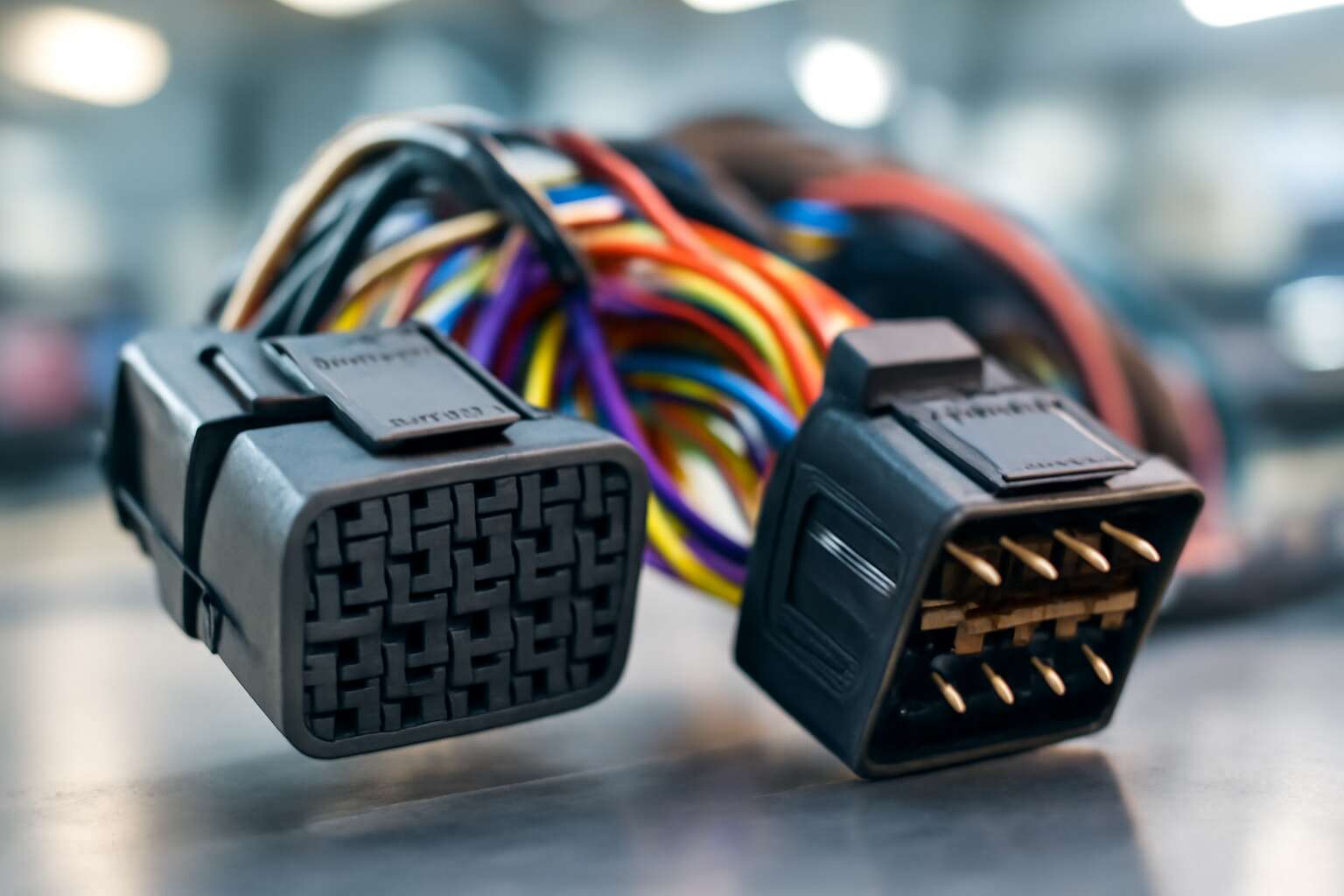
Automotive Electrical Connectors: Comprehensive Outline
Section I – Types and Fundamentals
South Africa’s drive trains face more than road fatigue; a single corroded link can stall a car in the middle of a heatwave. In SA statistics, up to 40% of electrical faults trace back to aging connectors. The outcome? Confidence behind the wheel hinges on these tiny, stubborn links.
Auto electrical connectors are the quiet workhorses of modern harnesses. They must withstand vibration, temperature swings, and moisture while delivering steady power and signals. The right design blends tough metals with rugged polymers, turning fragile metal into a resilient circuit backbone. They don’t ask for attention, but they deserve it!
- Pin-and-socket crimp connectors
- Blade/quick-disconnect terminals
- Bullet connectors
- Sealed weatherproof multi-pin connectors
Beyond type, fundamentals like contact material, current rating, and sealing integrity dictate long-term reliability. In the SA workshop, choosing wisely keeps engines singing rather than stalling—auto electrical connectors included.
Section II – Choosing and Specifying Connectors
“A bad connector is a quiet saboteur—until the moment the car refuses to start in the middle of a heatwave,” says a seasoned SA mechanic. In Section II, the real art is matching the environment to the build. Weatherproof seals, solid current headroom, and materials that shrug off corrosion win races here.
- Current rating relative to expected load and transient spikes
- Contact material and plating for corrosion resistance
- Sealing integrity against moisture and dust
- Vibration tolerance and rugged mating cycles
Beyond those levers, the flow of data and signal integrity demands compatible housings and standardized footprints that fit SA harnesses without forcing clever improvisation. Auto electrical connectors deserve the same respect as any engine part—properly specified, they keep the performance pulse steady and the workshop chatter light.
Section III – Installation and Reliability
The heartbeat of a vehicle’s electrical system hides in every plug, and SA heat makes a whisper-tight fit a lifeline. “A connection that looks fine on the bench can fail on a corrugated road,” warns a veteran SA mechanic. Section III shines a light on installation and reliability, where harness routing and proper seating become the difference between performance and silence. Even the simplest auto electrical connectors deserve careful handling.
In harsh environments, durability isn’t optional. Three pillars guide the work: weather-ready housings, strain-relief that survives vibration, and inspection-friendly layouts that reveal wear without dismantling the dash.
- Durable enclosures that resist dust and splash
- Robust mating cycles ready for rough roads
- Accessible footprints for quick visual checks
For SA workshops, the payoff is clear: dependable performance and calmer dashboards. The installation of auto electrical connectors becomes a quiet craft that keeps the engine’s pulse steady and the road ahead certain.
Section IV – Design and Innovation Trends
Across the trade, failed connections account for a surprising share of in-field faults—up to 40% in some fleets, a stat that keeps designers awake at night. Section IV surveys how design and innovation trends elevate auto electrical connectors from mere parts to intelligent interfaces. Expect weather-ready housings, smarter contact coatings, and mating geometries tuned for forgiving engagement on rough roads.
Key trends shaping the next decade include:
- Weather-ready housings that block dust and splash while easing field service
- Smart diagnostics and predictive health flags for wear and corrosion
- Modular, tool-free mating that speeds quick swaps in busy workshops
These shifts resonate with SA workshops, where durability and simplicity meet the pace of modern service. The design of connectors for the field is as much about serviceability as it is about performance, turning every harness into a reliable thread that holds the engine’s rhythm on country roads and in town service bays.
Section V – Standards, Sourcing, and Quality Assurance
Standards, sourcing, and quality assurance shape the durability of auto electrical connectors across SA workshops. The rubric includes compliance with IATF 16949 and ISO 9001, RoHS/REACH restrictions, and IP-rated enclosures designed to withstand dust and splash. A robust QA pipeline tracks materials, process controls, and traceability from supplier to harness.
Supply chain vigilance is non-negotiable! Consider this quick checklist:
- Certified suppliers with auditable quality systems
- Material traceability and lot-level records
- Independent reliability testing and environmental stress validation
- Compliant labeling and on-pack documentation
Choosing partners who demonstrate consistent performance translates to fewer field faults and smoother service life in South Africa’s varied road conditions.

0 Comments