Auto electrical certification exam: comprehensive outline
Foundational theory and safety
Across South Africa’s workshops, certified technicians prove their mettle with sharper diagnostics and fewer reworks after the auto electrical trade test. A recent industry pulse shows 68% of workshop managers prioritise candidates with formal certification, underscoring the value of solid foundations in electrical systems.
The certification exam blends foundational theory and safety, demanding fluency in circuits, wiring layouts, and fault-finding while upholding rigorous safe work practices and proper PPE.
- Foundational electrical theory and system layouts
- Diagnostic methods and fault-finding techniques
- Safe working practices, PPE, and standards compliance
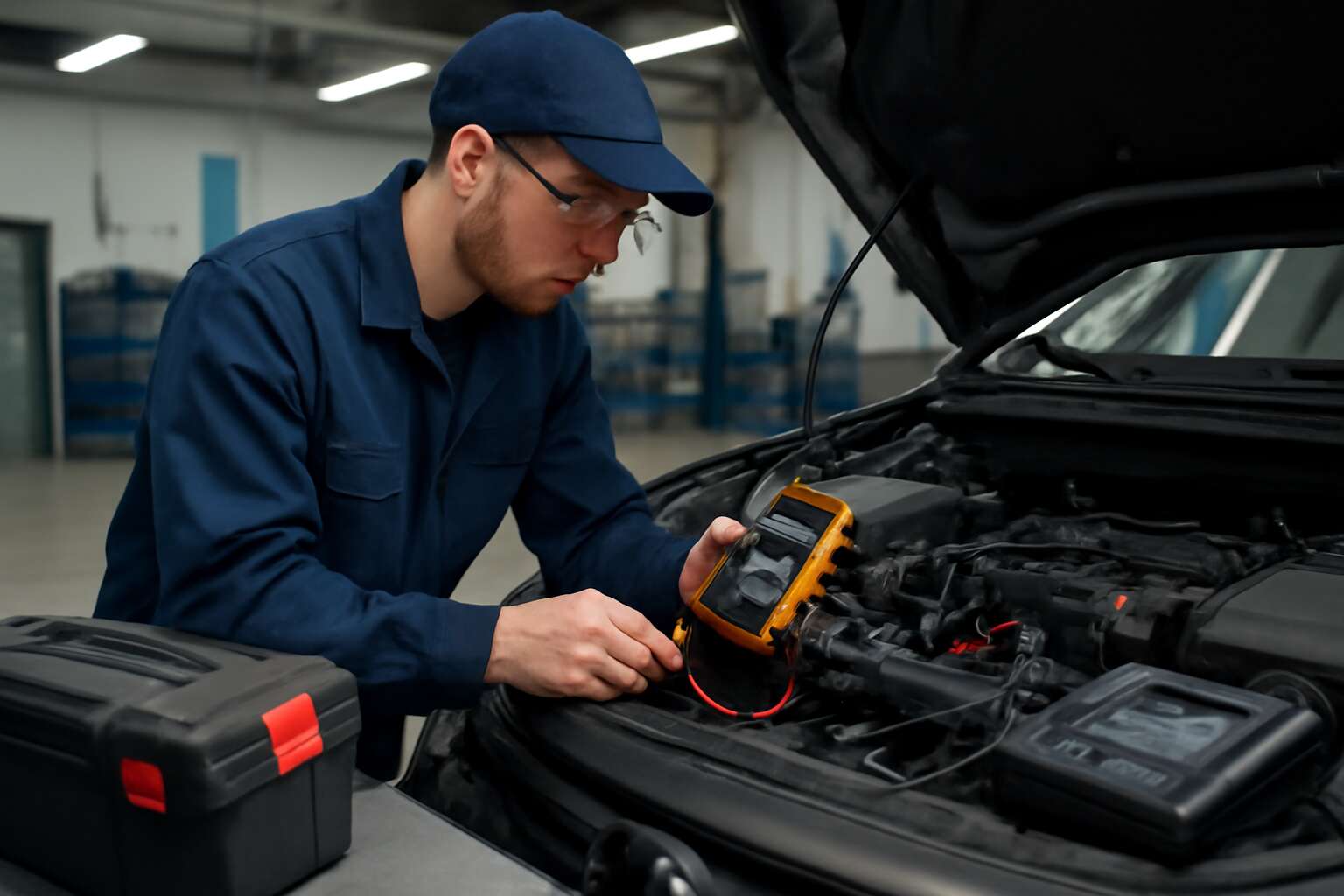
Hands-on components mirror real shop floor tasks, from reading wiring diagrams to live testing, each conducted with proper isolation and tagging. The resulting credential signals reliability and professionalism in South Africa’s competitive auto-electrical sector.
Diagnostic skills and practical testing
Across South Africa’s workshops, 68% of managers prioritise candidates with formal certification, a stat that quietly rearranges the hiring map. The auto electrical trade test isn’t a dry quiz; it’s a living gateway to credibility, pairing diagnostic insight with real-world responsibility. In this exam, candidates demonstrate how they read the heartbeat of a vehicle’s electrical system and stay steady when readings disagree.
Diagnostic skills and practical testing unfold in two modes: theoretical reasoning and hands-on assessment. The test centers on genuine shop-floor tasks—no shortcuts, no guesswork—and measures how problem solving travels from diagram to diagnosis across a network of circuits.
- Circuit tracing and fault isolation under realistic loads
- Interpretation of wiring diagrams and system interconnections
- Live testing and precise result documentation
Success in the auto electrical trade test carries a credential that signals reliability and professionalism in South Africa’s competitive workshop scene. It marks the difference between a hopeful resume and a trusted trade professional on the bench.
Vehicle electrical systems and components
Across South Africa’s workshops, 68% of managers prioritise candidates with formal certification, a quiet gatekeeper in a crowded field. The auto electrical certification exam is more than a credential—it’s a living map of the vehicle’s electrical heartbeat, testing how candidates translate theory into steady hands.
The auto electrical trade test offers a comprehensive outline of Vehicle electrical systems and components. It surveys power delivery, sensing modules, and body electronics, then drills into interconnections, diagnostics, and proper documentation. A focused set of tasks mirrors shop-floor realities, from wiring diagrams to module communication and safety protocols.
- Wiring diagrams and tracing
- CAN/LIN networks and modules
- Component testing and documentation
Passing the exam signals reliability and credibility in South Africa’s competitive workshop scene. The credential distinguishes a hopeful resume from a trusted professional on the bench; the auto electrical trade test becomes your gateway to responsible, precise work with lasting impact.
Exam preparation and career outcomes
Across South Africa’s workshops, 68% of managers prioritise candidates with formal certification. That quiet gatekeeper shapes every bench where sparks dance. The auto electrical trade test is more than a credential; it’s a living map of a vehicle’s electrical heartbeat, translating theory into steady hands.
This exam offers a comprehensive outline of the craft, pairing study with a brisk, shop-floor rhythm. Preparation is not mere memorization but a dance of practice exams, simulators, and mentor-guided sessions that culminate in safe, precise work.
- Structured study plan with short, regular sessions
- Hands-on practice on test rigs
- Emphasis on documentation and safety drills
Passing reshapes your trajectory: credibility on the bench, invitations to lead diagnostic teams, and access to advanced certification tracks. The rite does not end with a certificate; it invites you to become a steward of precision in a field that hums with possibility.

0 Comments