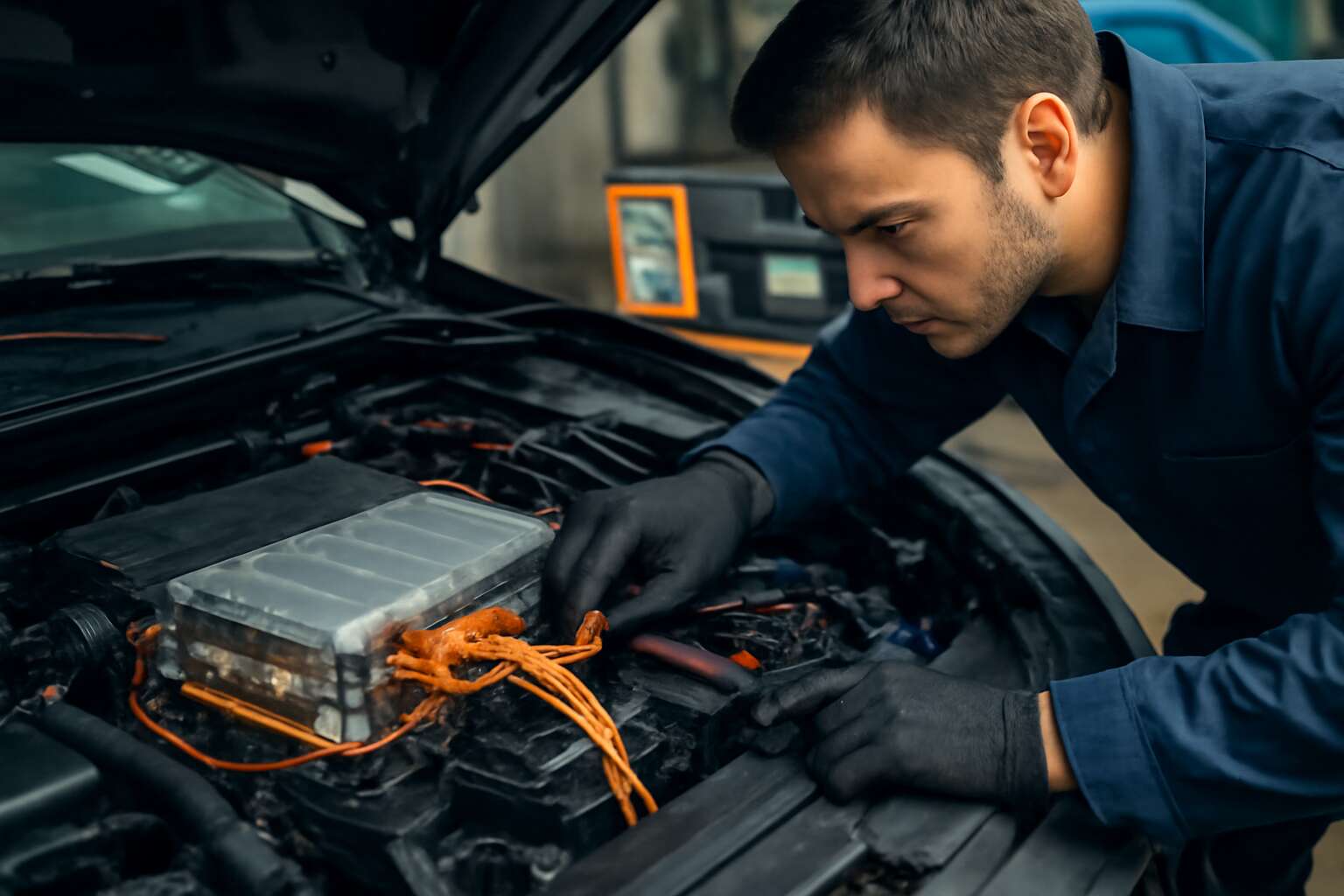
Electrical System Diagnostics and Overview
Understanding automotive electrical systems
Electrical system diagnostics are the car’s heartbeat on the highway. One stubborn glitch can turn a sunny morning drive into a tow truck tale, and that’s where auto electrical car repairs shine. A well-tuned network keeps power steady and dashboards calm, even on our bumpy SA roads.
Understanding automotive electrical systems means decoding voltage, current, and signals. The battery, alternator, ECU, wiring harnesses, and countless sensors form a nervous system that carries chatter through relays and fuses. When something slips, symptoms appear as dim lights, erratic gauges, or a stubborn no-start.
Grasping this overview helps drivers appreciate why diagnostics matter and why skilled technicians are worth their salt in South Africa.
Symptoms of electrical faults to watch for
Power is a fickle master; when it falters, the road tells a story in warning lights. Diagnostics act as a translator for the car’s nervous system, guiding us through whispers of faults without guessing. That’s where auto electrical car repairs prove their worth.
Electrical system diagnostics treat data streams like breadcrumbs, linking dim LEDs to the heart of circuits and the ECU. A skilled technician uses an OBD-II scanner, multimeters, and an oscilloscope to read fault codes, verify sensor signals, and confirm grounding integrity. Common symptoms to watch for include:
- Dim or flickering headlights and interior lights
- Erratic or creeping gauge readings and warning lights
- Intermittent no-start or sudden engine stalling
- Clicking relays and buzzing or chatter from the fuse box
On SA roads—heat, dust, and rough tarmac test every connector—the right diagnostics turn a flicker into clarity.
Common diagnostic tools and techniques
Electric whispers govern the modern vehicle, and South Africa’s roads are the stage. A healthy electrical system is the quiet backbone—until a warning light flashes and the drama begins. Diagnostics, then, act as translators for the car’s nervous system, turning uncertainty into strategy!
Key diagnostics pivot on data streams rather than hunches. A technician wields an OBD-II scanner, multimeters, and an oscilloscope to read fault codes, verify sensor signals, and confirm grounding integrity. This is the bread-and-butter of auto electrical car repairs in SA workshops, where heat and dust test every connection—yet precision prevails.
Core diagnostics toolkit includes three reliable companions:
- OBD-II scan for fault codes and ECU data
- Digital multimeter to verify resistance, voltage, and grounding
- Oscilloscope to visually confirm sensor timing and signal integrity
With these in hand, diagnosing faults becomes a methodical, almost regal exercise rather than a coin-flip gamble.
Safety protocols for electrical work
In SA, electrical faults trigger nearly 40% of roadside breakdowns, a sobering statistic that anchors the practice of meticulous diagnostics.
Electrical system diagnostics demand restraint and precision: high-voltage awareness, proper isolation, and PPE-first discipline. For technicians in auto electrical car repairs, safe practice is non-negotiable. Safety protocols demand insulated tools, ground checks, and dry workspaces to prevent mishaps in the heat and dust of SA workshops.
- Isolate the battery or high-voltage system per the manufacturer.
- Confirm zero energy using a calibrated meter and test leads.
- Don PPE and insulated tools, work on a dry, well-ventilated bench.
Charging System and Battery Repairs
Battery health indicators and replacement timing
Power is the oxygen of modern driving, and the charging system is the lungs. In South Africa, where the roads meet the sun, a healthy battery keeps you moving.
Charging systems for EVs revolve around the onboard charger, high-voltage battery, DC-DC converter, and the plug. When these falter, you’ll notice slower charging, heat, or odd dashboard lights—signals you need auto electrical car repairs.
- Rapid discharge or swelling
- Faster charging than expected
- Warning lights on BMS
- Unusual heat during charging
Battery health indicators guide when to replace. Look for reduced capacity, creeping voltage sag, or a battery management system warning. Replacement timing depends on climate, usage, and warranty; professionals assess age, cycles and health with diagnostic tools.
In the realm of car electrical work, a timely diagnosis beats a roadside drama. Our team reads the signs and keeps you confidently plugged in across SA.
Alternator function and failure signs
In South Africa’s sunlit highways, the alternator is the quiet choir behind every bright dash and charged battery. “A failing alternator can end a day as swiftly as a flat tire,” says a local technician, and it’s a truth that keeps our roads honest.
The alternator charges the system as you ride, smoothing the heartbeat between engine and battery. When it falters, you notice dim headlights, flickering gauges, or a stubborn battery light. Early cues include creeping voltage, odd whirrs, or a hot, swollen housing.
- Dim or flickering headlights
- Battery light on the dash
- Unusual heat near the alternator or belt
- Strange noises or intermittent electrical faults
Within auto electrical car repairs, diagnosis reads the signs with a calm expert’s hand, translating symptoms into the right course and safeguarding your days on SA roads.
Charging system testing procedures
South Africa’s sunlit highways remind us that a reliable charging system is poetry in motion. When it falters, the dash lights dim and the road feels less certain. The charging system is the quiet conductor, keeping the engine and battery in harmony as you cruise from city to coast.
In auto electrical car repairs, testing procedures blend art and science: measuring alternator output, battery state of charge, and wiring integrity under load. Technicians compare real-time readings to exact specifications, listening for subtle ripple or drift that signals fatigue or misalignment. The goal is to distinguish a temporary hiccup from a fault that could strand you on the next rise of the road.
- Voltage output under idle and peak demand
- Battery state-of-charge and parasitic draw
- Wiring and belt integrity under load
On SA streets, a well-tuned charging system translates into peace of mind—trust that your journey will stay luminous and dependable.
Battery maintenance tips
South Africa’s dawn light spills over windshields and highways, reminding us that a reliable charging system is poetry in motion. “A calm battery is a confident journey,” a seasoned technician notes, and the dash lights that flicker into life become a language of trust. In this landscape, charging rhythm shapes every mile and mood, from city routes to coastlines.
Charging and battery repairs hinge on listening—monitoring subtle shifts in voltage, parasitic draw, and how the stack breathes under load. The goal isn’t quick fixes but assessing the conversation between cells, wiring, and belts, and distinguishing a transient hiccup from a fault that could strand you at the next rise of the road.
This is the core of auto electrical car repairs—an artful blend of measurement, intuition, and professional care that keeps South African journeys luminous and dependable.
Upgrading charging components for longevity
Under South Africa’s radiant dawns, the road hum becomes a vow—the charging system keeps the promise. Local feedback suggests upgrading charging components can elevate reliability across daily commutes. In the realm of auto electrical car repairs, charging system and battery repairs are not quick fixes but listening to the battery’s breath and letting each circuit sing in harmony.
Upgrading charging components for longevity means selecting robust hardware and precise calibration. Focus on the on-board charger, wiring shielding, and connectors, while ensuring the battery management system remains current and aligned with the pack.
- High-efficiency onboard charger and updated DC-DC converter
- Rugged connectors and insulated cables suited to SA heat
- Battery management system software calibration and updates
Such upgrades become a quiet pledge for journeys across SA’s diverse climates, where dependable charging can outshine even the toughest terrain.
Electrical Wiring and Harness Maintenance
Inspecting wiring harnesses for wear and damage
Wiring is the car’s nervous system, delivering power and signals to every system that keeps us moving. In modern vehicles, a single compromised line can trigger a cascade of glitches—from flickering screens to erratic sensors. And in South Africa’s heat and dusty roads, wiring harness wear can creep in quietly, collecting stress until the next breakdown!
Electrical wiring and harness maintenance hinges on noticing wear and damage. Look for discolored connectors, brittle insulation, cracked loom, or loose tangs that reveal metal. These clues reflect the ages of insulation and exposure to heat, moisture, and vibration, and they often precede more perplexing faults—an opportunity for timely intervention by auto electrical car repairs.
This is not just repair work; I’ve learned it’s stewardship of the vehicle’s mind, a blend of science and storytelling about reliability and safety—precisely the domain of auto electrical car repairs.
Common wiring failures and fixes
Electrical wiring and harnesses act as the vehicle’s nervous system, quietly orchestrating power and signals as you drive. In South Africa’s heat and dusty roads, insulation can dry and loom can crack, letting stress creep in until a breakdown surfaces with a whine or a misbehaving sensor! The real story is where those tiny connections fail—often long before a dashboard light announces it.
- Corroded or loose connectors that impede contact
- Cracked insulation or melted loom from heat and vibration
- Chafed wires where harnesses rub against metal or bodywork
These faults fall into patterns, and understanding them is the craft of auto electrical car repairs. With careful observation, technicians trace faults to their source, restoring reliability and safety in a world of dashboards and quiet coils.
Repair vs replacement decisions
On South Africa’s sun-scorched roads, the vehicle’s wiring wears a slow battle scar. The wiring and harnesses are the car’s hidden nervous system, delivering life to sensors and coils while whispering through circuits. In the realm of auto electrical car repairs, true trouble surfaces where tiny connections fail—well before any dashboard glow gives notice!
Repair vs replacement hinges on a handful of realities that a seasoned technician weighs like a fortune at stake. I’ve seen this choice shape many journeys.
- Age, insulation wear, and heat or vibration damage
- Cost, availability of harnesses, and future reliability
- Safety-critical connections that affect sensors and safety systems
- Downtime and warranty coverage for parts and labor
Choosing wisely preserves performance, safety, and the road-humming heartbeat of the car, all while avoiding unnecessary drama.
Water ingress, corrosion, and protective measures
Moisture is the stealthy saboteur of modern vehicle wiring. On SA roads, 40% of late-stage electrical faults trace to water ingress. The wiring and harnesses are the car’s nervous system, carrying signals to sensors and actuators while taking heat and vibration in stride. In auto electrical car repairs, tiny connections failing before any dashboard glows are the warning signs.
- Seal loom ends and door jambs to block moisture and spray
- Use corrosion-resistant coatings on exposed terminals and connectors
- Re-route and shield cables with proper loom protection to shed heat and moisture
Keep an eye on the loom itself: taped joints, corrosion, or damp pockets under dash mats are red flags. These checks are the quiet backbone of trustworthy auto electrical car repairs, helping you dodge downtime and puzzling errors later.
Understanding color codes, schematics, and documentation
Across South Africa workshops, 58% of electrical faults stall repairs because schematics are read like a treasure map after a marathon braai. Wiring wisdom isn’t flashy, but color codes, schematics, and rock-solid documentation keep diagnostics sharp. For auto electrical car repairs, this trio is essential.
Color codes map the car’s nervous system, while schematics lay out wire routes and connectors so you know what touches what. Documentation tracks changes and revision dates, preventing ghosts from resurfacing after a service. Consider these three pillars as a practical starter kit:
- Color codes
- Schematics
- Documentation
Keep a tidy archive, label loom sections, and store diagrams with dates to dodge misreads in dim workshop light.
Preventive wiring maintenance routines
In the world of auto electrical car repairs, preventive maintenance on wiring and harnesses is the quiet workhorse. South Africa’s roads and heat test harnesses like a factory line—keep them clean, routed away from sharp edges, and taped where movement could wear insulation. A healthy harness means fewer mysterious faults and less time on the bench.
Careful routine checks lock in reliability and keep diagnostics sharp. Focus on cradle routing, protected sleeves, and tidy spacing around heat sources. When loom sections wear or become misrouted, symptoms multiply; when kept organized and well-labeled, the system reads clearly on the bench and in the field.
For lasting results, integrate harness maintenance into service history, not as a bolt-on afterthought. A pragmatic, well-documented approach lets technicians trace changes, anticipate wear, and keep the customer’s ride singing through South Africa’s roads.
Vehicle Safety Electronics and Comfort Systems
Airbag and SRS system basics and diagnostics
Airbags cut fatalities by up to 50% in certain crash scenarios, a stark reminder that vehicle safety electronics can turn a tragedy into a survivable moment.
Vehicle safety electronics and comfort systems form the backbone of modern driving. The Airbag and SRS system relies on crash sensors, an SRS control module, inflators, and seat belt pretensioners, while a seat occupancy sensor tailors deployment to the occupant.
- Airbags and inflators
- Crash sensors and module
- Seat belt pretensioners
- Seat occupancy sensor
Diagnostics depend on reading fault codes and monitoring readiness. A technician uses OEM scan tools to verify sensor timing, inspect harnesses, and confirm that the warning light behaves predictably—the kind of reliability South African roads demand.
For auto electrical car repairs, keeping airbag systems in peak condition is more than compliance; it’s a promise of protection when the unexpected happens.
Lighting, signaling, and exterior electronics checks
Across South Africa’s night-weary roads, proper lighting is a shield in the dark; statistics whisper that well-tuned headlights can cut nighttime collisions by up to 20%. Vehicle safety electronics extend beyond airbags, guiding every dusk-drawn journey with clarity and confidence.
Exterior lighting, signaling, and other exterior electronics are the vigilant caretakers of visibility. Modern cars weave LED arrays, adaptive beams, cameras, and sensors into a single living system—one that thrives on precise checks during auto electrical car repairs to guarantee dependable illumination and timely warnings.
- Headlight and taillight operation, alignment, and color consistency
- Turn signals, brake lights, and hazard indicators for reliable signaling
- Exterior sensors, cameras, wipers, and weather sealing of harnesses
With disciplined inspections, the glow remains steadfast, and the ride stays safe on South African roads. These checks elevate the craft of auto electrical car repairs, turning potential gremlins into smooth journeys.
Infotainment, connectivity, and climate control electrical issues
Electricity is the quiet wizardry behind the cabin’s comfort and safety. A truth well observed: the cockpit runs on software and solid-state hardware, so a hiccup in vehicle safety electronics or infotainment can turn a routine drive into a theatre of squeaks and sighs. On South Africa’s roads, reliability in these systems isn’t a luxury—it’s a necessity.
- Infotainment faults and touchscreen freezes
- Connectivity dropouts and Bluetooth pairing issues
- Climate control sensors misreads and blower failures
Handled by seasoned specialists in auto electrical car repairs, these systems reward patient diagnosis with quiet function and dependable comfort.
ADAS troubleshooting and system updates
Tech doesn’t sleep, and neither do your safety electronics—on South Africa’s roads, that quiet ally can be the difference between a calm cruise and a calamity.
Vehicle Safety Electronics and Comfort Systems rely on precise calibration, clean sensors, and robust software. In auto electrical car repairs, we diagnose misreads, schedule updates, and verify that the ECU and cameras are aligned so ADAS features behave as intended rather than prod a phantom brake or wander at the turn of a wheel.
- Sensor calibration and camera alignment
- ECU software updates and fault-code reviews
- Radar/LiDAR and wheel-speed sensor diagnostics
When these systems falter, you want a team that treats ADAS as a cockpit guardian, not a novelty. Updates and checks ensure comfort and safety stay in step with road realities.
DIY vs Professional Auto Electrical Repairs and FAQs
When to DIY and when to hire a pro
Electrical gremlins can stall a trip faster than a flat tyre, and in South Africa, a dependable response is gold. When it comes to auto electrical car repairs, knowing when to DIY versus when to call a pro saves time, money, and stress. Safe, basic checks are one thing; complex diagnostics demand professional tools.
- DIY-friendly checks: battery terminals, visual harness inspections, and basic fuse tests.
- Professional needs: ECU or airbag module diagnostics, harness repairs, and charging-system recalibration.
FAQ: When to DIY and when to hire a pro? DIY works for non-safety checks and routine maintenance you can perform without power hazards. For anything involving high voltage, airbags, or complex control modules, a pro should handle it—this is especially true for auto electrical car repairs in South Africa’s service network.
Choosing repair shops and certifications to look for
In the dim glow of a South African workshop, the night hums with a suspect flicker in copper and code. Deciding who mends your auto electrical car repairs can feel like choosing between a reckless spark and a patient ritual—the right choice steadies the journey ahead.
Some mysteries invite DIY bravado, but dangerous shadows lie in high‑voltage circuits and delicate modules. The safe path blends curiosity with restraint, reserving the real work for experienced hands and calibrated tools.
- Certifications and training from reputable bodies
- Clear warranty and service-network coverage in South Africa
- Transparent diagnostic reporting and fixed-price estimates
Choose a partner who treats the vehicle like a kept secret—disciplined, precise, and steeped in trustworthy engineering.
Cost considerations: parts, labor, and warranties
In the dim workshop light, auto electrical car repairs can feel like wrestling a live wire. Across South Africa, the lure of DIY clashes with the truth that high‑voltage work demands training and respect. A seasoned technician reminds us: the right pro makes the unseen fault obvious—and safe.
DIY might fix a minor symptom, but most electrical systems require calibrated tools and factory specs. Safety, reliable diagnostics, and documented warranties ride with professional hands. For durability and peace of mind, draw the line at riskier tasks and rely on an established shop.
Cost considerations for auto electrical car repairs hinge on parts, labor, and warranties. When you compare quotes, you’ll see why a pro often pays off over time.
- Parts: genuine or approved equivalents, availability in SA
- Labor: diagnostic time, hourly rates, and required expertise
- Warranties: coverage, duration, and what qualifies for replacement

0 Comments