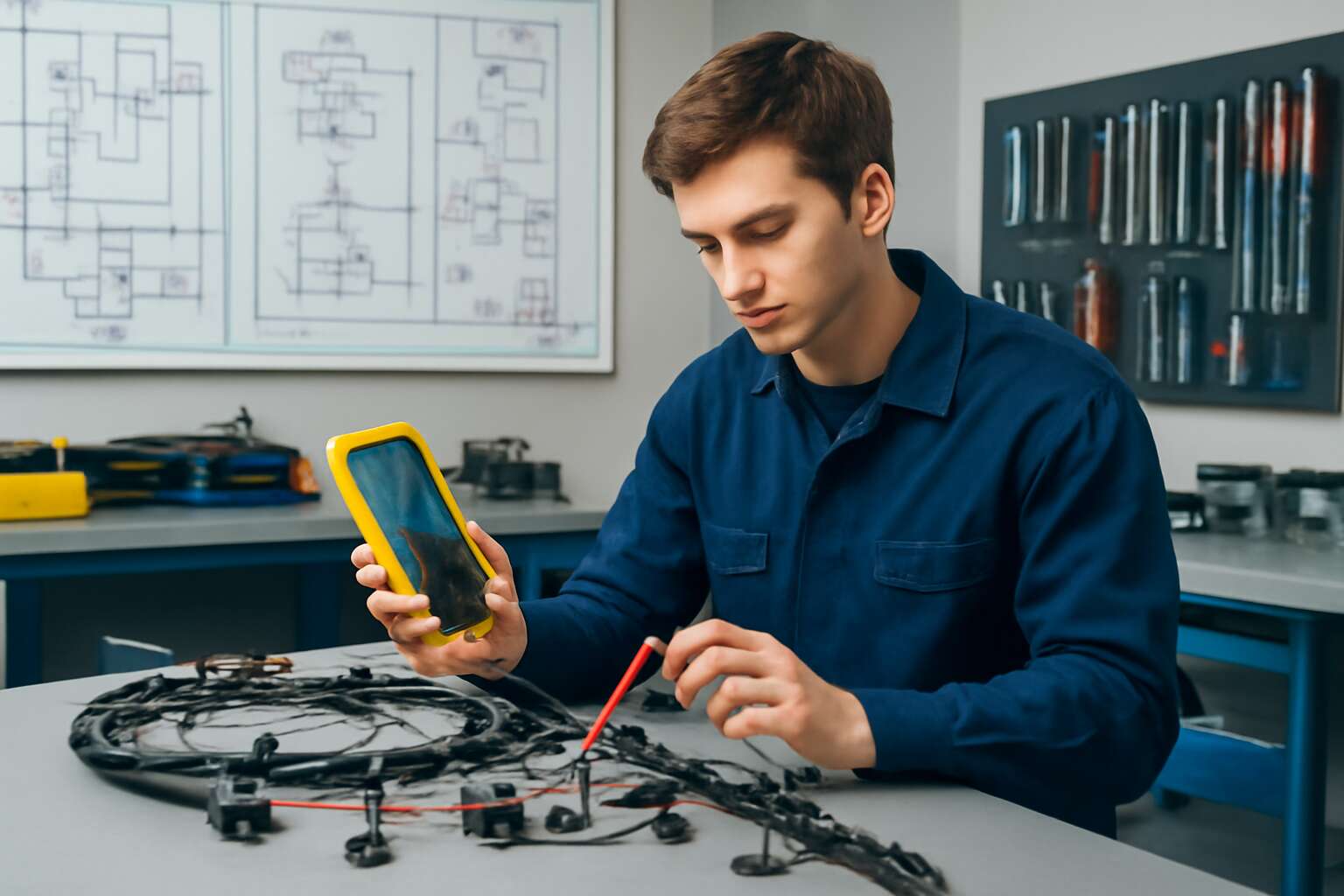
Overview and Objectives of Automotive Electrical Training
What you’ll learn about automotive electrical systems
In the glow of the workshop, copper and copper-scented air whisper the truth about modern cars. Across South Africa’s roads, the electrical heartbeat of every vehicle is getting louder, and our auto electrical courses reveal its language. This overview covers fundamentals, wiring diagrams, sensors, actuators, CAN networks, diagnostics, and safety—bridging theory with hands-on practice that turns uncertainty into confident capability.
Objectives unfold as a map of skills, forged on the bench where I have seen sparks become solutions! They include:
- Read and interpret electrical diagrams with clarity
- Use multimeters and scopes to test circuits
- Diagnose faults across starting, charging, lighting, and data networks
- Perform safe repairs and validate results with functional tests
Course duration and delivery formats
“The car of the future is a bundle of electronics,” whispers a seasoned workshop veteran. This overview of auto electrical courses invites readers into a realm where theory meets hands-on problem solving, keeping South Africa’s roads humming. These programs suit real life: flexible pacing, practical labs, and mentors who illuminate the path.
Delivery formats vary to fit busy lives, from hands-on daytime sessions to fully online theory with supervised labs.
- In-person, hands-on daytime sessions in certified workshops
- Weekend intensives designed for busy technicians
- Blended programs combining online theory with practical labs
- Self-paced online modules with mentor support
Durations range from two-week modules to twelve-week tracks, with certificates and flexible learning paths in auto electrical courses, anchoring practical diagnostics for South Africa’s workshops.
Prerequisites and skill gaps to bridge
South Africa’s roads hum with electronics, and a workshop veteran once reminded me, “If you can’t trace the wiring, you can’t fix the car.” That truth haunts every auto electrical courses curriculum, steering us toward clarity, hands-on problem solving, and a patient cultivation of diagnostic instinct as vehicles grow more interconnected.
Prerequisites and skill gaps to bridge include:
- Foundational literacy and numeracy
- Safety-first workshop practices
- Basic electrical theory and tooling literacy
- Ability to read wiring diagrams
- Understanding of sensors, actuators, and microcontrollers
- Structured diagnostic thinking and fault isolation
These programs turn potential into practice, calibrating diagnostic instincts for South Africa’s workshops and the need for dependable, transparent repairs.
Benefits for tech careers and industries served
The overview of auto electrical courses emphasizes practical problem solving, safety-first habits, and a patient, methodical approach to fault isolation—essential in SA’s increasingly networked workshops. This path translates theory into hands-on competence across sensors, controllers, and EV systems.
Industries served by these programs span passenger vehicle service, fleet maintenance, workshop and dealership tech roles, and the growing electric and hybrid sectors, all seeking reliable, transparent repairs.
- Passenger vehicle service and repair
- Fleet maintenance for taxis, delivery fleets, and corporate vehicles
- Workshop bays and dealership technician roles
- Electric and hybrid vehicle systems support
By embracing these programs, technicians sharpen diagnostic instincts, improve repair transparency, and become trusted partners in South Africa’s evolving mobility landscape.
Industry demand and salary outlook for specialists
South Africa’s workshops hum with a new frequency: electric and hybrid systems are no longer niche; they drive the work. Double-digit growth in EV service requests signals a demand for graduates from auto electrical courses who can read networks and diagnose batteries.
The programs aim to shape diagnosticians who convert theory into safe, transparent repairs. Employers prize methodical fault isolation paired with clear customer communication.
- Passenger vehicle and fleet services expanding as electrified platforms proliferate
- Higher remuneration for specialists adept at sensors, controllers, and high-voltage safety
- Strong demand concentration in Gauteng and the Western Cape, with regional growth patterns
Overall, the salary outlook for specialists in auto electrical courses elevates with mobility’s shift toward connected, autonomous platforms; formal training unlocks opportunities across workshops, dealerships, and service networks.
Core Curriculum and Specialized Tracks in Automotive Electrical Systems
Fundamentals of electrical and electronic theory
Within the realm of auto electrical courses, the Core Curriculum serves as a compass for curious technicians. It centers on the Fundamentals of electrical and electronic theory, weaving theory into practical lab work and vehicle simulations. This foundation ensures every learner speaks the same electrical language as they advance.
- Fundamentals of electrical circuits, safety, and measurement
- Electronic components, sensors, and actuators
- Networks, diagnostics, and data interpretation
Specialized Tracks then chart distinct paths—hybrid propulsion, automotive CAN networks, and advanced diagnostics—so theory matures into mastery. By layering knowledge with industry tools and case studies, these tracks keep auto electrical courses relevant to South Africa’s service landscape and evolving vehicle tech.
Diagnostics and troubleshooting with professional tools
In auto electrical courses, the Core Curriculum operates as a compass for curious technicians. It binds theory to lab work and vehicle simulations, so learners share a common electrical vocabulary as they advance. A seasoned mentor often quips that precision follows listening rather than guessing!
Specialized Tracks then chart distinct paths—hybrid propulsion, automotive CAN networks, and advanced diagnostics—so theory matures into mastery. With industry tools and SA’s service landscape in view, these tracks stay relevant.
- Professional diagnostic scanners
- CAN bus interfaces
- Oscilloscopes and multimeters
- Thermal imaging and data loggers
Vehicle networks and communication protocols (CAN, LIN, etc.)
Across South Africa’s thriving auto scene, modern cars hum with intricate networks. Nearly 9 in 10 new vehicles rely on CAN networks for core communication. In auto electrical courses, the Core Curriculum acts as a compass, binding theory to lab work and vehicle simulations.
Specialized Tracks chart distinct paths—CAN networks, LIN bus systems, and automotive Ethernet—so theory matures into mastery.
- CAN bus interfaces and diagnostics
- LIN networks and body-control concepts
- Automotive Ethernet and high-speed data logging
Together, they translate theory into the language spoken on the workshop floor, where technicians read CAN, LIN, and Ethernet traffic as a single, evolving conversation.
Hybrid and electric vehicle system training
“Theory without lab is a map without a compass,” a seasoned trainer likes to say. In South Africa’s evolving auto scene, the Core Curriculum for electrical systems acts as a steady compass, binding theory to hands-on lab work and realistic simulations. This foundation keeps everyone aligned as hybrid and electric vehicle concepts become standard, not fringe.
- High-voltage safety and HV system diagnostics
- Hybrid propulsion and energy management
- Electrical propulsion integration and vehicle-level diagnostics
Together, the Core Curriculum and these Specialized Tracks turn classroom theory into workshop fluency, shaping the next generation of auto electrical courses in South Africa’s thriving service ecosystem.
Charging systems, batteries, and BMS fundamentals
South Africa’s auto service floor is reshaping around electrification. The demand for hands-on HV work and precise diagnostics rises, and theory must meet practice. As a seasoned trainer likes to say, “The future runs on charge and code.” The Core Curriculum anchors that future, pairing classroom insight with lab time and realistic simulations to keep everyone aligned as hybrid concepts move from fringe to standard.
Within this framework, Core Curriculum and Specialized Tracks steer focus toward the heart of energy systems—charging, energy storage, and BMS fundamentals—without overwhelming learners with jargon. They turn theory into workshop fluency and groom technicians fit for SA’s thriving service ecosystem. This path also feeds into auto electrical courses that rise with the times.
- Energy storage health, lifecycle, and safety
- Charge management and fault isolation
- BMS data interpretation and vehicle network insights
Hands-On Training and Lab Best Practices for Auto Electrical Tech
Lab safety, PPE, and tool handling essentials
Hard numbers cut through jargon, whether in a Cape Town classroom or a Pretoria workshop: 85% of rapid fault resolution comes from doing, not drafting, in the lab. In the workshop, hands-on training is the north star guiding auto electrical courses. Safety-minded labs in South Africa insist on structured practice—measured probing, meticulous cable management, and a temperament that treats circuits like delicate instruments rather than novelty toys. A culture of courtesy, precision, and curiosity keeps sparks on the right side of genius, even when the multimeter winks back.
- Insulated gloves and sleeves
- Safety goggles or a face shield
- Flame-resistant lab coat or coveralls
- Closed-toe, slip-resistant shoes
Beyond PPE, the lab rewards disciplined tool handling, thoughtful tool selection, and prompt inspection of leads before every measurement, ensuring every session remains productive and safe.
Simulators vs real-world practice and shop floor integration
Hands-on training isn’t a luxury—it’s the lifeblood of auto electrical courses, where theory meets tangible consequence. In the lab, simulators open the playbook, but real-world practice writes the final chapter, turning static diagrams into living, humming systems you can trust under pressure. I’ve seen the difference.
On the shop floor, pace, noise, and human variables demand more than wiring know-how. Here’s where the contrast matters:
- Real-world fault scenarios emerge unpredictably
- Cable routing, strain relief, and cleanliness tax your meticulousness
- Tool selection, lead inspection, and measurement discipline sharpen with use
- Safety culture and teamwork under shop-floor pressure shape outcomes
Integrating simulators with live practice and strong shop-floor linkages is what makes these programs genuinely career-ready. Graduates translate every diode pulse into dependable performance on day one.
Capstone projects and diagnostic challenges
Across South Africa’s bustling workshops, the truth rings clear: hands-on mastery outlasts pages of theory. “Practice under pressure turns diagrams into living systems,” a mentor reminds the floor. In the realm of auto electrical courses, capstone projects fuse wiring schematics with real-time behavior, turning abstract concepts into dependable performance under the clock.
On the lab bench, the diagnostic challenge is a theatre of variables—ambient noise, tool choice, and the mercy of imperfect cables. With a disciplined lab culture, learners translate every diagram into a working heartbeat. The following principles guide the practice:
- Rigorous documentation and traceability
- Clean cable routing, proper strain relief, and cleanliness
- Standardized fault scenarios and reproducible tests
- Safety culture and teamwork under pressure
These hands-on rituals sharpen instincts, turning auto electrical courses graduates into technicians who read a CAN bus as if it were a compass and trust a repaired circuit at dawn. The lab becomes a proving ground where capstone projects yield dependable, day-one competence.
OEM equipment access and software licensing
“Practice under pressure turns diagrams into living systems,” a mentor likes to remind us on the workshop floor. In auto electrical courses, hands-on training becomes the accelerator for confidence, especially when OEM equipment is accessed under strict supervision and software licensing remains compliant. The result is technicians who can translate a schematic into a heartbeat on day one, even in South Africa’s busy service bays.
Lab best practices keep the atmosphere professional and safe while ensuring genuine skill transfer. We champion controlled access to high-end test rigs, meticulous version control of software, and traceable licensing records—so learners can push the limits without fear of breaking policy. In this setting, hands-on training in auto electrical courses becomes a reliable bridge from theory to turnkey performance.
Key lab rituals that support OEM equipment access and software licensing include:
- Access controls and asset tracking
- License compliance and renewal discipline
- Clean workstations, proper cable management, and safety procedures
Documentation, reporting, and repeatable workflows
Across South Africa’s busy service bays, the truth is stubborn: hands-on practice makes knowledge breathe. In auto electrical courses, learners move from reading diagrams to diagnosing real faults, guided by careful supervision and licensing that keeps every bench trustworthy. When theory finally clicks, a technician can hear a heartbeat in a schematic on day one.
- Controlled entry and asset traceability
- Rigorous license management and renewal discipline
- Clean stations, tidy cabling, and safety routines
Documentation, reporting, and repeatable workflows become the scaffolding of this transformation. In auto electrical courses, the lab becomes a living archive: every session yields records, every fault teaches the next cohort, and every measurement breathes life into a turnkey performance for South Africa’s service bays.
Career Outcomes, Certifications, and Continuing Education
Industry-recognized certifications and credentials (ASE, OEM programs)
“Electric mobility reshapes the workshop floor, and the future is written in bolts and code.” The career upside for those who complete auto electrical courses is real—diagnostic precision, demand in dealerships, independent shops, and fleet maintenance across South Africa. Graduates move into roles as automotive electricians, system specialists, or calibration technicians, translating complex networks into reliable performance.
Industry-recognized certifications and credentials amplify that trajectory. Many employers look for ASE credentials or OEM programs that verify hands-on mastery and safety discipline.
- ASE Master Technician certification
- OEM certifications from manufacturers such as Toyota, VW, Ford
- Manufacturer software licenses and CAN diagnostic training
Ongoing education keeps pace with EV, hybrid, and CAN networks; options include online micro-credentials, manufacturer workshops, or diagnostic labs. This is where career resilience is forged.
Typical job roles and advancement paths
Career outcomes after auto electrical courses are solid. Graduates land as automotive electricians, system specialists, or calibration technicians, with routes into dealership service bays, independent workshops, and fleet maintenance across South Africa. The path often leads to senior diagnostics or workshop leadership as you gain hands-on mastery.
Industry-recognized certifications amplify that trajectory. The ASE Master Technician badge, OEM programs from Toyota, VW, and Ford, and CAN diagnostic training signal hands-on mastery and safety discipline to employers.
- ASE Master Technician certification
- OEM certifications from manufacturers such as Toyota, VW, Ford
- Manufacturer software licenses and CAN diagnostic training
Continuing education for auto electrical courses keeps pace with EVs, hybrids, and CAN networks. Options include online micro-credentials, manufacturer workshops, and diagnostic labs, forging career resilience in a changing workshop floor. This ongoing training ensures you stay employable in South Africa’s evolving auto industry.
Apprenticeships, internships, and on-the-job training
South Africa’s auto electrification wave is cresting, and the job market is riding it. Graduates step into roles as automotive electricians, system specialists, and calibration technicians, with pathways into dealership service bays, independent workshops, and fleet maintenance—then climb toward senior diagnostics or workshop leadership as they master the craft.
Much of that ascent rides on certifications. The ASE Master Technician badge, OEM programs from Toyota, VW, and Ford, plus CAN diagnostic training, signal hands-on mastery and safety to employers. Enrolling in auto electrical courses helps you reach these milestones.
Continuing education keeps pace with EVs and CAN networks. Options include online micro-credentials, manufacturer workshops, and diagnostic labs.
- Apprenticeships in dealership service bays
- Internships with fleet maintenance teams
- On-the-job training in diagnostics and calibration
Apprenticeships, internships, and on-the-job training anchor lifelong employability in South Africa’s evolving auto industry.
Specialization tracks for EVs and hybrid tech
South Africa’s auto electrification wave isn’t a rumor—it’s a tangible, accelerating current. A workshop manager once quipped, ‘Certifications are fuel for progression,’ and the truth holds: career outcomes now reach dealership bays, fleet hubs, and calibration labs. auto electrical courses align talent with demand, letting technicians map a ladder from hands-on work to senior diagnostics while maintaining safety and efficiency.
- High-voltage safety and switching protocols
- Battery systems and thermal management
- EV charging infrastructure and grid integration
- CAN/LIN network diagnostics and data interpretation
Continuing education keeps pace with rapid tech shifts, offering micro-credentials, hands-on labs, and targeted workshops that fit busy schedules. In SA, these tracks help engineers stay compliant and competitive, opening paths to workshop leadership, fleet optimization roles, and cross-disciplinary positions at OEMs and service networks.
Salary expectations and career trajectory
Across South Africa, the EV revolution is not a rumor but a rising tide reshaping service bays and road safety. A workshop manager once quipped, ‘Certifications are fuel for progression,’ and this rings true: auto electrical courses today launch careers from dealership floors to calibration labs and fleet hubs. The hook is clear: skilled technicians keep the lights on and the vehicles moving.
Salary expectations climb in tandem with responsibility. Entry technicians may see stable base pay, while mid- and senior-level specialists, equipped with continual education and certifications, command higher compensation as they tackle diagnostics, safety compliance, and complex networks.
Continuing education keeps pace with rapid tech shifts. Short micro-credentials, hands-on labs, and targeted workshops fit busy schedules and SA’s industry needs. Through auto electrical courses, technicians map a ladder from hands‑on troubleshooting to leadership roles across OEMs and service networks.
Choosing the Right Program: Online, Vocational, and Apprenticeships
Online versus in-person options and what fits your schedule
Pick the right auto electrical courses program in South Africa and you don’t just learn; you craft your work-life timetable around a future you can actually steer. A Cape Town service manager puts it bluntly: “The right program should feel like a tool you can grab and use tomorrow.” Online, vocational, and in-person paths bend to different rhythms—night-shift technicians, family-first students, or those juggling gigs—so the best fit is deeply personal and practical.
- Online programs that balance theory with interactive simulations and flexible deadlines
- Vocational schools with fully equipped labs, dealer-grade tools, and hands-on practice
- Hybrid or part-time options that pair remote learning with scheduled shop time
Ultimately, the choice should align with your schedule and the region’s demand for skilled auto electrical courses, keeping you on track for advancement.
Accreditation, outcomes, and program legitimacy
In South Africa’s auto repair landscape, the right auto electrical courses act as a practical compass for a steady career. A Cape Town service manager puts it plainly: “The right program should feel like a tool you can grab and use tomorrow!” Whether online, vocational, or apprenticeship-based, accreditation signals real-world relevance to dealers, fleets, and workshops, not just classroom theory.
- Industry-recognised credentials with OEM access
- Hands-on hours on dealer-grade tools
- Clear pathways to apprenticeships or workplace certification
Choosing a program with verified outcomes—graduation rates, job placement, and ongoing professional development—ensures you translate learning into city and regional demand across South Africa.
Enrollment steps, prerequisites, and admissions tips
“The right program should feel like a tool you can grab and use tomorrow!” In South Africa’s auto repair scene, a Cape Town service manager keeps the verdict simple: accreditation must translate into real-world tasks, not only classroom theory.
auto electrical courses offer three viable routes: online, vocational, and apprenticeships.
- Online programs emphasize flexible study and digital labs.
- Vocational campuses deliver hands-on labs with dealer-grade tools.
- Apprenticeships blend paid work with structured tech training on the shop floor.
Prerequisites and admissions tips focus on foundational literacy and numeracy, a demonstrated interest in electronics, and readiness to engage with lab environments; admissions panels look for curiosity and compatibility with both theory and practice. Enrollment steps tend to be straightforward and consistent across formats.
Tuition, financing, and scholarship options
Across South Africa’s auto repair floors, the most valuable credential isn’t a badge—it’s hands-on know-how. The right program blends online flexibility, vocational lab access, and on-the-job practice, turning theory into diagnostic fluency you can apply the day you step back into the workshop.
For those pursuing auto electrical courses, cost is more than tuition—it’s access to dealer-grade tools, structured labs, and qualifications that matter to employers. Tuition and funding vary: online options often spread fees over time; vocational campuses package lab access into the price; apprenticeships pair wages with paid training.
- Scholarships and bursaries from industry bodies or OEMs
- Employer sponsorships and apprenticeship funding
- Government training subsidies and tax incentives
- Flexible payment plans and installment options
When selecting, seek accreditation that translates into real tasks on the shop floor, with clear pathways to OEM certifications and a schedule-friendly support network.
Internships, placement support, and industry connections
“Hands-on mastery turns theory into cash in the workshop,” a veteran trainer says. In South Africa, when choosing auto electrical courses, the right mix of online flexibility, lab access, and real-world practice matters more than glossy brochures.
Online options let you study at your own pace, but look for structured labs and vendor-backed simulations. Vocational campuses bundle tool access and supervised diagnostics into the price. Apprenticeships combine wages with paid training.
- Placement support that leads to real shop assignments
- Industry connections with dealer networks and mentors
- Clear paths to OEM certifications and ongoing training credits
Accreditation should translate into tangible shop-floor tasks with credible outcomes and a schedule-friendly support network that keeps you moving forward in the field.

0 Comments