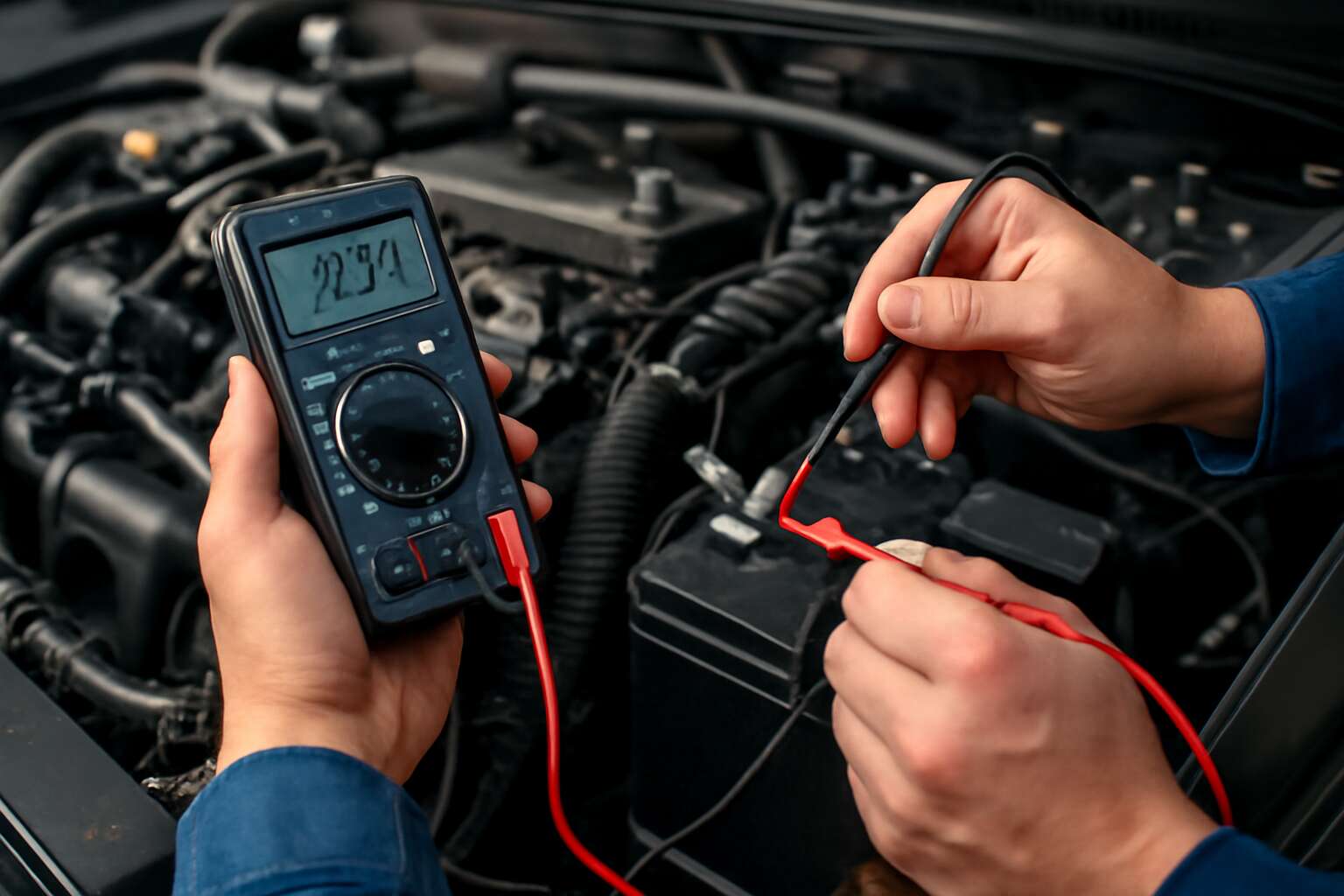
Understanding vehicle electrical systems
Electrical system overview
Power is the heartbeat of a modern vehicle, and in South Africa, a reliable auto electrical network keeps every journey steady from dawn to dusk. The electrical system is more than a battery; it spans the alternator, starter motor, sensors, wiring harnesses, fuses, and the control modules that translate signals into action. When these parts align, a car lights up with confidence and responds with instant precision!
Understanding the core components helps demystify common faults and keeps the rhythm of daily driving intact. A compact overview reveals the key players:
- Battery health and charging cycle
- Alternator output and voltage regulation
- Fuses, relays, and wiring integrity
- Sensors and control modules that steer systems
- Lighting and accessory circuits
With this overview, readers appreciate how every spark and signal contributes to the car’s performance, comfort, and safety, especially on busy SA streets where weather and road conditions can test electrical resilience.
Key components and their roles
In SA streets, the auto electrical system is the quiet conductor behind every ride, turning rough commutes into reliable journeys. A veteran technician once whispered, “The spark is more than a glow—it’s a map of trust.” When the current hums true, the night road becomes a predictable ally rather than a fearsome challenge!
Understanding the key components means meeting the orchestra that keeps power and signals moving. The battery anchors startup; the alternator powers the road; voltage regulation keeps the system steady. Fuses, relays, and wiring guard each circuit, while sensors and control modules translate conditions into action.
- Battery and charging rhythm
- Power distribution and control signals
- Protection and circuit integrity
- Sensors and ECUs translating data
Together, they craft a resilient performance that keeps SA journeys smooth, even when weather tests the road.
Basic circuits and current flow
Across South Africa’s roads, the backbone of every ride is an invisible, humming lattice—a system that keeps lights bright, wipers steady, and engines waking with promise. A veteran technician once reminded me: “Power isn’t a luxury; it’s the compass that points you home.” When the night road hums true, the way forward feels almost preordained.
Understanding basic circuits is the key. In simple terms, a circuit needs a source, a path, and a load. Current travels from positive to negative, pushing electrons through wires, switches, and devices. In auto electrical, we often see series and parallel layouts that decide how components share current and voltage.
- Power source: battery or alternator
- Conductors and loads: wires feeding lights, sensors, and actuators
- Protection and control: fuses, relays, and switches
- Control signals: sensors and ECUs translating data into action
This quiet map of currents is why SA drivers experience trustworthy journeys, even when weather or dust throws its weight around. The interplay of voltage, resistance, and control signals keeps the journey smooth and the lights predictable.
Reading electrical diagrams
In the shadowed cockpit of a South African driveway, a single spark redraws the night’s map. “Power,” a seasoned mentor once whispered, “is the compass that points you home.” Understanding vehicle electrical systems began for me not with fear but with a diagram—the quiet atlas that guides every glow and gauge, and I listen as it speaks.
Reading electrical diagrams is not sorcery but spatial storytelling: a source, a path, a load—the triangle of life that travels from battery or alternator through wires, sensors, and controllers.
- Symbols and lines
- Connector pins and color coding
- Fuses, relays, and control devices
Follow the path, note the marks for fuses and switches, and listen for the quiet conversation between voltage, resistance, and signals. This is where auto electrical comes to life, a discipline that keeps our roads alive through rain and dust.
Safety and maintenance fundamentals
In South Africa’s roads, a single spark rewrites the night’s map. A telling statistic sits at the heart of every breakdown: most failures start with a tiny, overlooked connection. In auto electrical work, the map remains clear even when the road isn’t. Power, ground, and signal travel a delicate triangle that keeps the journey honest.
Safety and maintenance fundamentals demand respect for energy and subtlety. The craft hinges on observation: signs such as corrosion, frayed insulation, and dampness—those quiet hints the system remains faithful or faltering. Professionals treat auto electrical as living circuitry, guided by documentation and OEM standards to navigate decisions.
From dashboard glow to exterior lamps, reliability rides on discipline rather than bravado. When the system breathes easy, drivers feel the road speak in confidence. The essence of auto electrical in South Africa is quiet intelligence, mapping, and care that keeps the night from turning into a detour.
Battery and charging system
Battery basics and types
Inside the auto electrical world, the battery is the quiet powerhouse. In South Africa, up to 60% of electrical faults trace back to the battery, a statistic that keeps workshops busy and drivers wary. It stores chemical energy and feeds DC to the starter, lights, and ECUs, keeping the engine alive.
Battery basics come down to chemistry and capacity.
- Flooded lead-acid (budget-friendly)
- AGM (sealed, robust against vibration)
- Gel (sealed, low-maintenance variants)
Charging systems use an alternator and regulator to keep the battery at about 13.8–14.4 volts while the engine runs. A healthy match between battery type, climate, and driving patterns ensures reliable power for South African roads.
Charging system components and regulator
A startling stat keeps workshops buzzing: in South Africa, up to 60% of electrical faults trace back to the battery. It’s the quiet powerhouse behind the starter, lights, and ECUs—the engine’s unsung DJ, spinning through heat and rain alike.
In the auto electrical world, the charging system is a tight-knit crew. The main players are the alternator, the voltage regulator, and the wiring harness that keeps everything connected.
- Alternator
- Voltage regulator
- Battery and connections
- Wiring harness and fuses
When the engine runs, the regulator keeps the system at about 13.8–14.4 volts, balancing power with battery longevity for South Africa’s varying climates and drive patterns.
In auto electrical terms, a healthy match between climate, traffic, and this trio delivers stable voltage across the road ahead.
Battery testing and replacement indicators
A startling stat keeps workshops buzzing: in South Africa, up to 60% of electrical faults trace back to the battery. In the auto electrical world, the battery is the quiet powerhouse behind every start and spark, a patient drummer keeping time through heat and rain alike.
Battery testing uncovers its mood and merit. Listen for signs that whisper trouble—a sluggish crank, lights that seem to waver, or terminals that sting with white crust. When specialists examine the charge, voltage under load and capacity metrics reveal the true story.
- Slow cranking or repeated jump-starts
- Dim, flickering, or uneven illumination
- Corroded terminals or a swollen battery case
- Rapid voltage drop when the engine is idle or under load
Replacement indicators and the auto electrical balance are the next note in the symphony. If tests confirm dwindling capacity, or fault codes linger despite a healthy alternator, replacement becomes prudent. A fresh battery paired with a sound charging system keeps the auto electrical rhythm steady across South Africa’s climate and road patterns.
Jump-starting and safety precautions
A striking stat haunts workshops: up to 60% of electrical faults trace back to the battery. In the realm of auto electrical, the battery is the quiet metronome—calling the engine to life and weathering heat and hail with dignity.
Jump-starting promises urgency, but it is a moment of risk. Hydrogen vents and corrosive terminals remind us that safety cannot be an afterthought. In South Africa’s climate, where temps swing from blistering heat to sudden deluges, calm, cautious handling keeps the rhythm intact.
- Inspect for physical damage or corrosion before any revive
- Ensure the area is ventilated and free of flames or sparks
- Wear eye protection and remove loose jewelry that could cause short circuits
When the moment passes, the system settles back into its elegant balance, guarding the spark through every highway and horizon.
Discipline preserves longevity on South African roads.
Lighting, safety and comfort electronics
Exterior and interior lighting systems
“Good light is not a luxury; it’s safety.” That line sticks as I gauge SA roads after dark. Lighting and safety electronics in auto electrical work together, turning dim streets into confident, secure passages!
Exterior lighting primes the path—headlamps, daytime running lights, indicators, fog lamps—while clever electronics adjust beam patterns for rain and shadows. A fault can steal seconds that matter; in the right hands, these systems whisper reliability.
- Headlamps with auto-leveling
- Daytime running lights
- Front and rear indicators
- Fog lights for poor visibility
Interior lighting and safety electronics blend comfort with vigilance. Dash illumination, ambient cabin lighting, and sensors that regulate climate and glare reduce fatigue and distraction, keeping the road feel vivid and the cabin serene on long SA journeys.
Powering climate control and infotainment
“Light is safety’s heartbeat,” a seasoned SA technician likes to say, and the night proves the point. From Johannesburg’s inner-city lanes to coastal byways, good illumination turns risk into rhythm and weather into predictability.
In the auto electrical tapestry, exterior lighting and its safety electronics guide the way, while comfort systems smooth the ride. Climate sensors respond to South Africa’s sun and chill, and infotainment threads weave focus with road awareness, giving passengers a calm, confident voyage.
- Adaptive headlamps and daytime running lights
- Glare-reducing interior illumination
- Seamless infotainment and voice-enabled safety alerts
The road becomes a stage for a shared journey.
Wiring harness routing and corrosion prevention
“If it doesn’t glow, it doesn’t go,” a seasoned SA tech likes to say. Night drives through Joburg’s inner-city lanes or along chilly coastal byways prove the point: good lighting and safety electronics turn risk into rhythm and weather into predictability in the auto electrical world.
Wiring harness routing is the quiet backbone of reliability. Plan paths along body rails and under floors, away from heat, vibration, and moving parts. Secure with vibration-resistant ties, protect edges with loom, and seal access points to ward off dust and water. In SA’s harsh climate, meticulous routing is corrosion prevention in action.
- Keep harness runs away from hot exhaust components
- Use abrasion-resistant loom and split loom where needed
- Install proper grommets and weatherproof connectors
- Apply dielectric grease and inspect for signs of corrosion
In auto electrical practice, neat harness routing and corrosion prevention mean fewer diagnostic puzzles and more smiles in the driver’s seat—quiet connectors, protected grounds, and a futureproof loom for upgrades.
Fuses and relays: protecting circuits
Lighting, safety and comfort electronics in the auto electrical theatre rely on guardians that seldom take a bow—fuses and relays. In the realm of South Africa’s roads, a single blown fuse can turn a night drive into a trial by shadow. These gatekeepers regulate surges, protect sensitive modules, and keep headlights and climate comfort humming in harmony.
- Correct ampere ratings for fuses prevent cascading failures
- Relays carry high-current loads, reducing switch wear and wiring strain
- Strategic enclosure and weatherproofing guard circuits against dust and moisture
In the grand saga of electrical systems, these guardians ensure that lights illuminate, seats stay comfortable, and electronics stay calm under the South African sky. Quiet, reliable power flows are the reward of thoughtful fuse and relay design.
Across workshops and service bays, technicians speak of the quiet confidence that fuses and relays lend to the road ahead, turning uncertainty into a smooth, well-lit journey.
Diagnostics, troubleshooting and professional help
Using OBD-II scanners and codes
A recent survey found that eight in ten service calls begin with a dashboard warning light in South Africa. In the shadowy realm of auto electrical, those flickers are whispers from the machine, begging a careful ear.
With an OBD-II scanner, the codes tell a story—faults etched in engine memory and sensor secrets exposed. Live data becomes a lantern, guiding what to chase.
- Stored fault codes pointing to the faulty circuit or sensor
- Live data streams showing sensor readings in real time
- Freeze-frame snapshots capturing the moment of warning
Troubleshooting becomes a ritual—mapping codes to possible causes, watching live data for patterns. Yet stubborn gremlins, damaged wiring, or module faults demand a skilled technician.
When the data refuses to settle, professional help becomes essential; a seasoned auto electrical technician translates the murk and returns the vehicle to its silent, humming self.
Diagnostic flow and fault-code interpretation
Eight in ten service calls in South Africa begin with a dashboard warning light, a prompt that something in the vehicle’s nervous system has slipped. In the shadowy realm of auto electrical, diagnostics start with listening to the machine’s whispers—the fault codes and clues hidden in memory.
Inside diagnostics, the diagnostic flow turns whispers into a map. Interpreting fault codes is a careful art, then watching live data as the engine breathes under load reveals patterns a quick glance misses. The moment of failure is captured in context, revealing the environmental and drive-history clues that set the scene for repair.
When the data refuses to settle, professional help becomes essential; a seasoned technician translates murk into meaning and returns the vehicle to its silent, humming self.
Electrical fault isolation techniques
Eight in ten service calls in South Africa begin with a dashboard warning, a sly bookmark from the vehicle’s nervous system. In auto electrical circles, that flicker is not superstition but a data point begging interpretation.
Diagnostics in practice turn whispers into a map. Fault codes and live data under load reveal patterns the eye misses at rest. With the right tools—multimeters, data loggers, and careful grounding checks—the flow of information becomes readable, actionable!
- Isolate by circuit, not component, to avoid collateral damage
- Correlate sensor data with engine conditions
- Test for poor grounding and damaged harnesses
When data refuses to settle, professional help becomes essential; a seasoned technician translates murk into meaning and returns the vehicle to its silent, humming self. In auto electrical troubleshooting, technique and experience are the final diagnostic tools.
DIY vs professional service: costs and risks
Eight in ten SA service calls begin with a dashboard flicker, a siren in the night of metal and wire. I have watched that flicker turn into patient data in my hands; Diagnostics in auto electrical turn whispers into maps; you weigh DIY ambitions against the cost of misfires. The line between hopeful tinkering and dangerous misdiagnosis is thin.
- Costs and risk fuse when you go solo — parts, tools, and time pile up like shadows
- Risks include misdiagnosis, cascading faults, and warranty voiding
- Professional diagnostics offer speed, clarity, and data-driven interpretation
When data refuses to settle, professional help becomes essential; a seasoned technician translates murk into meaning and returns the vehicle to its silent, humming self. The DIY vs professional service debate in auto electrical isn’t a sermon—it’s a balance between cost, risk and peace of mind.
Electrical safety during diagnostics
Eight in ten SA service calls begin with a dashboard flicker, a siren in the night of metal and wire—an entry point into mysteries. Diagnostics in this field turn stubborn data into maps, where tiny voltages whisper bigger truths. I’ve watched the murmur of a fault become a navigable diagram under careful scrutiny, a moment of clarity in a sea of gremlins. DIY tinkering courts danger; the line between curiosity and misdiagnosis is razor-thin.
Safety under the hood is not a slogan but a discipline; during diagnostics, respect for stored energy, high voltages, and transient spikes protects both person and vehicle. Professional help offers speed, a disciplined approach, and data-driven interpretation that keeps fragile electronics from unintended consequences. When data refuses to settle, a seasoned auto electrical technician translates murk into meaning and restores the car’s silent, humming order.

0 Comments