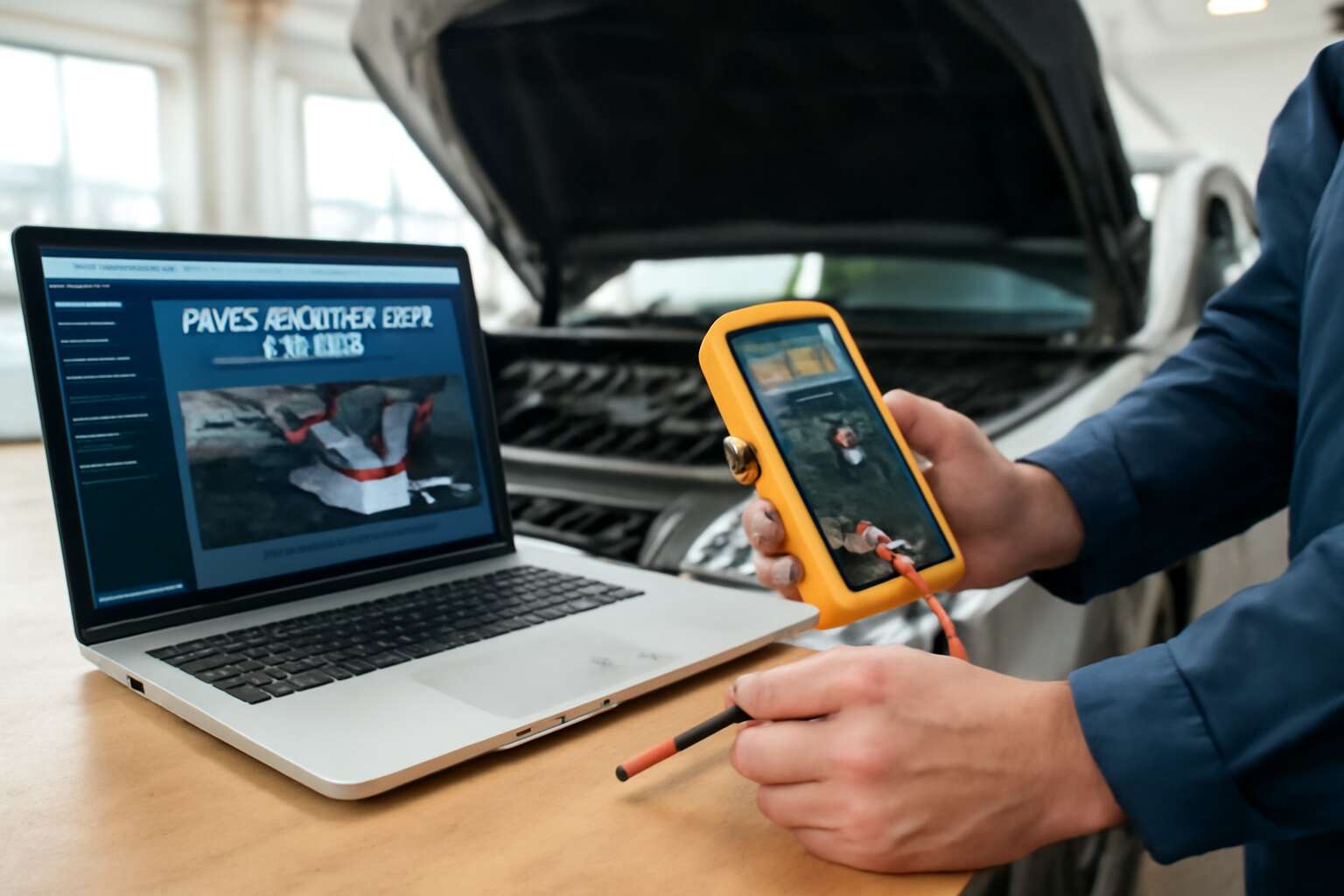
Comprehensive Overview of Auto Electrical Training Online
What topics are covered in online auto electrical courses
Across South Africa’s workshops, modern vehicle electrics have become a language of sparks and software. A recent industry survey found that 68% of local garages report rising electrical complexity, making training a necessity rather than a luxury. This comprehensive overview of auto electrical courses online invites you into that evolving conversation.
Topics range from fundamentals to firmware, and can be explored through modules that mirror workshop workflows.
- Electrical theory and safety basics
- Diagnostics with OEM software and handheld scanners
- Hybrid and electric vehicle fundamentals
Designed for busy technicians, the online format fits flexible schedules with practical labs that simulate real-world faults. Clear video demonstrations meet rich reading material, helping you translate theory into on-vehicle confidence—essential for SA’s service bays and dealerships.
As mentors and peers converge in virtual study halls, learners discover a cadence that makes complex systems sing, turning curiosity into reliable competence.
Benefits of remote learning for auto electrical skills
South Africa’s garages are grappling with a new language—the language of sparks and software. A fresh industry survey finds 68% of local workshops reporting rising electrical complexity, a trend that makes upskilling non-negotiable. Our auto electrical courses online are designed to translate that complexity into confident, on-vehicle performance.
Benefits that fit a busy technician’s life include:
- Flexible study schedules that align with shift work
- Practical labs that mirror real faults without leaving the workshop
- Cost-effective learning with no travel or downtime
Remote learning builds community as mentors and peers converge in virtual study halls, turning curiosity into on-the-road competence for SA service bays and dealerships.
Who should enroll in online auto electrical training
Electrical faults in South Africa are speaking a new language—sparks and software—the kind only upskillers understand. A recent industry pulse shows 68% of local workshops confronting more complex electrical faults, and the clock is ticking on diagnostics speed. This is where auto electrical courses online become a compass for technicians chasing confidence on the vehicle!
Comprehensive auto electrical courses online offer a clear, career-forward path. It serves those rewriting their career map and teams seeking standardization across bays.
- New entrants exploring the trade
- Experienced technicians aiming to upskill quickly
- Workshop supervisors seeking better diagnostics literacy
- Fleet maintenance personnel needing certification-ready skills
Designed to fit shift work and on-site realities, the program blends mentor-led guidance with practical, real-world simulations—without leaving the workshop. Graduates exit with a clearer career arc and validated skills. This approach anchors a practical, future-ready credential in SA.
Certification and career value of online auto electrical credentials
Across South Africa, 68% of local workshops report more complex electrical faults, signaling a trade in rapid change. Sparks meet software, and speed in diagnostics is a currency. A comprehensive overview of auto electrical training online certification offers a steady compass through this shift, turning uncertainty into confident, real-world skill.
These programs fit shift work and on-site realities, blending mentor-guided sessions with practical simulations. The program is delivered as auto electrical courses online, weaving theory into tangible bay-ready ability. The career value is clear: a credential that standardises diagnostics across bays and fleets, unlocking supervisory roles and steadier work.
- Flexible scheduling for rural and remote access
- Hands-on simulations that mirror South African workshop realities
- Certification-ready credentials recognised by employers
Together, these elements illuminate a future where technicians carry a clear career arc, backed by credentials that matter in South Africa’s evolving auto landscape.
Top Online Platforms and Course Formats
Key online platforms offering auto electrical courses
In South Africa, skill and opportunity fuse online, turning curiosity into certified competence. “Knowledge travels faster with a good signal,” says a veteran SA mentor, and platforms deliver that signal with warmth. A new generation of auto electricians learns at their pace.
Top platforms host auto electrical courses online, blending video demos, quizzes, and practicals. They suit SA workers and students alike, offering flexibility and dependable support.
- Self-paced video lessons you can start any day
- Live virtual labs and real-time instructor support
- Hands-on kits with guided exercises and remote feedback
We also see a spectrum of formats: micro-credentials, full certificates, or blended paths that pair online theory with on-site practice—designed to sharpen diagnostics and repair workflows across local workshops.
Course formats including video lectures, simulations, and hands-on labs
Across South Africa, auto electrical courses online unfold like a well-lit boulevard—signal clear, purpose precise. These platforms curate journeys that blend video demos with real-world practice, offering self-paced tracks, live virtual labs, and remote feedback from seasoned instructors. They cater to busy workers and eager students alike, delivering learning with warmth and a cadence that respects the daily grind. The promise? Education that travels as fast as curiosity, without sacrificing depth.
- Video lectures
- Simulations
- Hands-on labs
The formats themselves are as varied as a good diagnosis: micro-credentials, full certificates, and blended paths that fuse online theory with on-site practice. This mosaic sharpens diagnostic instincts and repair workflows, empowering technicians to translate classroom insight into workshop competence.
Self-paced versus cohort-based learning
Across South Africa, top platforms are turning auto electrical courses online into a brisk ride—fast enough to jump-start a career, steady enough to avoid a roadside stall. As one veteran instructor quips, “speed with depth beats a noisy shortcut.” Self-paced tracks let you study after hours, while cohort-based sessions crank up accountability and live collaboration.
Here are the core formats you’ll encounter:
- Self-paced: flexible timelines with asynchronous feedback.
- Cohort-based: scheduled live sessions and peer discussions.
- Hybrid: online theory paired with periodic on-site practice.
From my bench side, I’ve watched learners sprint through modules and still land in the workshop with confidence. The result is a learning path that travels as fast as curiosity but with diagnostic rigor and workshop-ready discipline.
Assessments, projects, and practical requirements
South Africa’s auto repair scene is turbocharged by online formats. A bold stat sits in the cockpit: seven in ten trainees land a workshop shift within six weeks of starting auto electrical courses online. As one veteran instructor quips, “speed with depth beats a noisy shortcut,” and these platforms deliver bite-sized assessments that feel like real diagnostics rather than busywork.
- Hands-on wiring harness project with mentor feedback
- Fault-finding case studies in guided simulations
- Capstone diagnostics that tie theory to the workshop floor
Practical requirements lean practical: a basic toolkit, reliable internet, and a safe space for home diagnostics. When these are present, assessments stay rigorous without turning the journey into a pothole. The result is workshop confidence, not just online bravado.
Curriculum and Skill Paths for Auto Electrical Technicians
Core electrical theory and diagnostics essentials
Curriculum design for auto electrical technicians blends core electrical theory with diagnostics essentials, turning curiosity into capability on the workshop floor. These auto electrical courses online frame modules around real-world scenarios—reading schematics, interpreting live data, and diagnosing systems—so learners progress with confidence in SA garages.
Skill paths unfold like routes in a map of modern mobility. They begin with fundamentals, then advance through hands-on labs, tool mastery, and network diagnostics that cover ECU interfaces and sensor ecosystems. A well-structured program blends theory and practice, helping technicians stay calm under pressure.
- Fundamental circuit theory
- Fault analysis and troubleshooting
- Vehicle network basics and ECU interfaces
- Interactive labs and simulations
Graduates emerge ready to tackle SA’s diverse fleet, from compact cars to light commercial vehicles, armed with modular skills that adapt as technologies evolve. The curriculum emphasizes safety, diagnostic logic, and the confidence to pursue evolving roles in auto electrical services.
Electrical systems in modern vehicles
In South Africa’s bustling garages, the car’s heartbeat now hums through electrical networks as much as through the engine. A skilled technician reads those signals like a map, turning elusive fault codes into clear actions and keeping the workshop in confident rhythm!
Curriculum and skill paths for auto electrical technicians unfold as a journey through modern mobility. These auto electrical courses online guide learners from fundamentals to diagnostics, weaving real-world scenarios into every module. Paths progress with:
- Fundamental circuit theory and safety basics
- Vehicle network foundations and ECU interfaces
- Diagnostics logic, fault isolation, and live data interpretation
- Interactive labs and simulations mirroring workshop challenges
Graduates emerge ready to tackle South Africa’s diverse fleet, from compact cars to light commercial vehicles, armed with modular skills that evolve with technology. The program blends theory with practice, fostering calm under pressure as new platforms—ADAS, electrification, and cloud diagnostics—reshape the road ahead.
Diagnostics tools and software training
Across South Africa’s busy service bays, the car’s heartbeat now travels through electronics as deftly as through the engine. Diagnostic screens become compasses, turning fault codes into clear actions. The curriculum for auto electrical courses online guides learners from observation to precision.
Diagnostics tools and software training unfolds in stages, from bench practice to CAN network analysis. A compact toolkit builds toward mastery:
- Oscilloscopes and multimeters for live signals
- CAN bus analyzers and diagnostic software
- ECU flashing utilities and service data
- Simulation labs and dashboards for practice
Graduates emerge ready to serve South Africa’s varied fleets, armed with modular skills that adapt as technology shifts. The program blends theory with practice, and these learners carry a steady rhythm into workshops, guided by progressively evolving diagnostic language as the road ahead unfolds.
Electric and hybrid vehicle electronics fundamentals
South African workshops are shifting: electric and hybrid systems now steer the diagnostic roadmap. The curriculum for auto electrical courses online translates theory into hands-on mastery, readying technicians for modern service bays.
- Foundations: electrical safety, measurements, and circuit theory
- Battery science and energy storage, including BMS basics
- Electric machines: motors, inverters, and control strategies
- Vehicle networks: CAN, LIN, and diagnostics software
- Power management and charging infrastructure
These modular tracks fit SA workplaces and evolving regulations, delivering targeted credentials that open doors in passenger, light commercial, and municipal fleets.
Safety, standards, and advanced troubleshooting
More than half of urban SA service bays now prioritize electric and hybrid diagnostics, reshaping the skill map for technicians. The curriculum responds with a disciplined focus on safety, adherence to standards, and advanced troubleshooting—translating theory into hands-on mastery!
Curriculum and Skill Paths for Auto Electrical Technicians place safety at the fore, align with South African standards, and build confidence in advanced troubleshooting. The tracks cultivate risk assessment, fault isolation, and cross-system diagnostic reasoning, paired with meticulous documentation and quality control.
- Foundational safety and regulatory compliance
- Structured fault-finding and root-cause analysis
- Multi-system integration and diagnostic reasoning
- Quality assurance, reporting, and lean workflows
Delivered as modular, SA-aligned programs, these tracks mirror real-world fleets—from passenger cars to municipal services—so learners translate classroom rigor into workplace performance. For professionals pursuing auto electrical courses online, the pathway turns theory into hands-on mastery and credentials that reflect South African fleet realities.
Choosing the Right Course: Criteria, Costs, and Career Outcomes
Evaluating instructor credentials and course reviews
Across SA service bays, a statistic cuts through the noise: more employers value online credentials. auto electrical courses online have become the fast lane to mastering diagnostics, wiring, and modern hybrid systems without leaving the workshop floor.
Choosing the right course hinges on three pillars: criteria, costs, and career outcomes!
Evaluating instructor credentials and course reviews is essential.
- Instructor qualifications and real-world industry experience
- Regular content updates aligned with current vehicle architectures
- Transparent assessments and demonstrated student outcomes
Costs vary by platform and support, so look for inclusive pricing that covers hands-on labs, software licenses, and mentor time. In my experience, costs that look cheap upfront can bite later with added software or per-seat fees.
Think about career outcomes too—graduates often move into auto-electrical diagnostics, EV/HEV service, fleet maintenance, or shop leadership roles.
The right program aligns effort with ambition, revealing a path that feels both precise and possible.
Tuition, financing, and value for money
Across South Africa’s service bays, a pivotal truth holds: online credentials cut through the noise and earn doors in the workshop. The landscape of auto electrical courses online is reshaping how technicians master diagnostics, wiring, and modern hybrid systems without stepping off the floor. Choosing the right course hinges on three pillars: criteria, costs, and career outcomes.
Key criteria to consider:
- Transparent pricing that covers hands-on labs, software licenses, and mentor time
- Regular content updates aligned with current vehicle architectures
Costs vary by platform and support, so seek inclusive pricing that signals value for money. Cheap upfront numbers often hide per-seat fees or extra software. Tuition financing options, payment plans, and scholarships can democratize access while safeguarding quality.
Career outcomes are the true north. Graduates often move into auto-electrical diagnostics, EV/HEV service, fleet maintenance, or shop leadership. The right program aligns effort with ambition, revealing a path that feels precise and possible.
Career outcomes and job applicability after completion
Front-line workers in SA garages are choosing smarter paths. For many, auto electrical courses online offer a practical bridge from the shop floor to the diagnostic lab. Choosing the right program hinges on three pillars: criteria, costs, and career outcomes. Look for transparent pricing and content that stays aligned with current vehicle architectures.
Costs vary, so choose inclusive pricing with no hidden per-seat fees. Favor options that include labs, software licenses, and mentor time, plus financing plans or scholarships that keep qualifications affordable without compromising quality.
Career outcomes are the true north. Graduates head into diagnostics, EV/HEV service, fleet maintenance, or leadership roles—so pick a program that aligns effort with a clear path to work.
Enrollment steps and tips to start quickly
Across SA garages, the diagnostic mindset shifts as online training becomes the bridge from shop floor to diagnostic lab. A veteran technician once said, “The future is made in the lab and learned on the screen.” Choose a course by three pillars: criteria, costs, and career outcomes—auto electrical courses online can deliver that pragmatic bridge.
Criteria mean staying aligned with current vehicle architectures, transparent pricing, and content that stays fresh, including hands-on labs and mentor access.
- Compare programs by criteria, costs, and career outcomes.
- Confirm labs, software, and mentor time are included.
- Review SA financing and scholarship options.
- Ensure a clear post‑course path to work.
Costs matter: inclusive pricing with no hidden per-seat fees. Choose programs that bundle labs, licenses, and mentoring, and scan for SA-specific funding solutions. Career outcomes provide the true north, guiding learners toward diagnostics, EV/HEV service, and leadership roles in the local market.

0 Comments