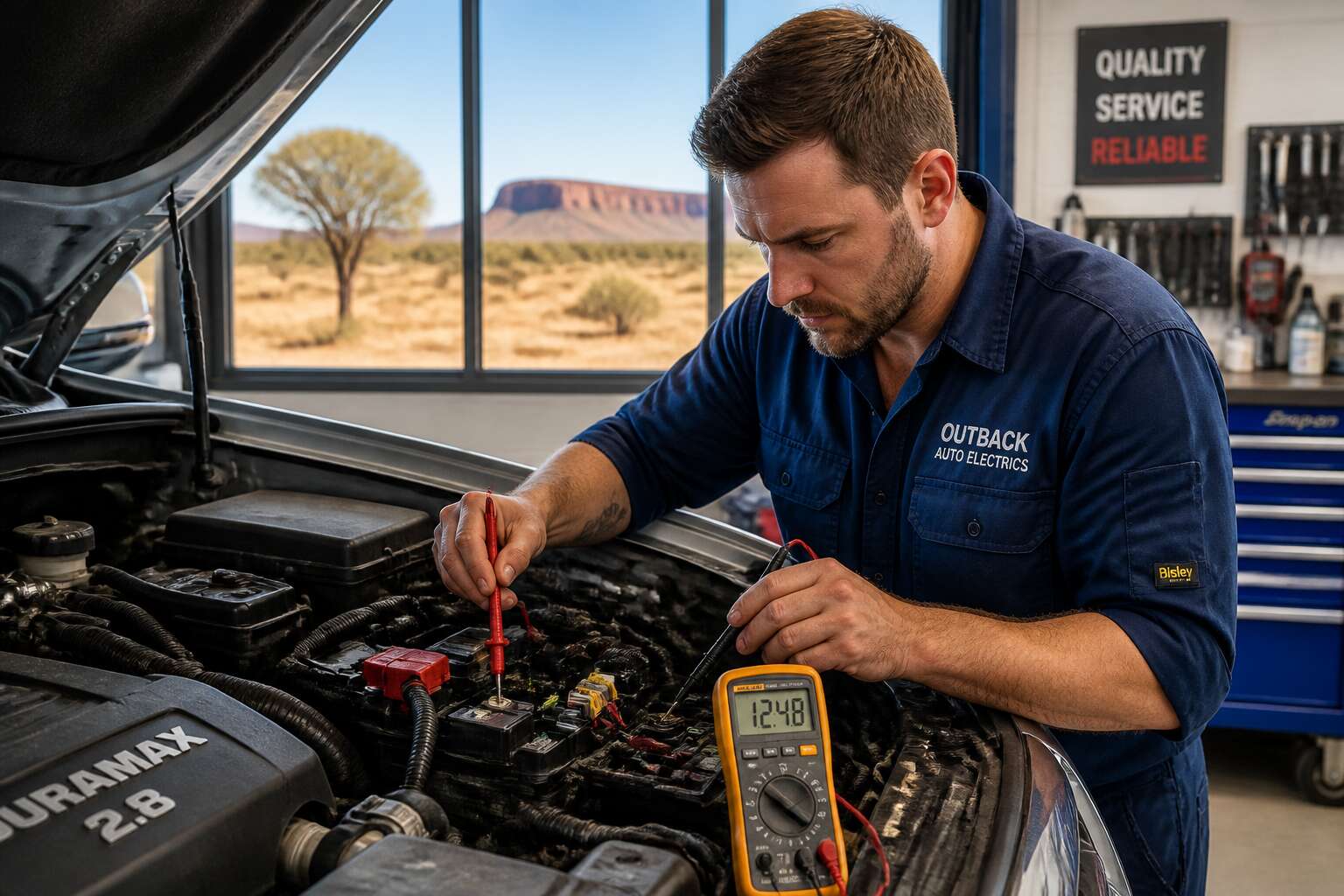
Essential Qualifications and Training
Certificate III in Automotive Electrical Technology
Few credentials carry as much weight as the Certificate III in Automotive Electrical Technology. This qualification transforms curiosity into technical precision and enables access to auto electrical jobs in australia. During the training, apprentices engage with live vehicle systems, from CAN bus networks to high voltage battery management in hybrid and electric models.
The nationally recognised curriculum covers:
- Diagnostic testing using scan tools and oscilloscopes
- Repair and replacement of starters, alternators, and lighting circuits
- Integration of telematics and safety systems
Assessment includes both written examinations and supervised practical tasks. Completing this certificate, often alongside a paid apprenticeship, gives candidates the exact competencies employers demand.
Apprenticeship and Traineeship Pathways
Securing auto electrical jobs in Australia rarely happens through formal study alone. I have seen too many certificate holders struggle on the workshop floor. The trade demands time under the bonnet, working with systems that fail without warning. Apprenticeships offer this. They bind a candidate to a qualified mentor over four years, combining paid work with structured training. For South African applicants, this route also leads directly to employer sponsorship.
Traineeships serve a different purpose. They suit those who want faster entry into the trade, often focusing on a narrower skillset such as wiring harness repair or accessory installation. Both routes require patience. The work is methodical, and errors cost time.
- Apprenticeship: four year commitment, full-time employment, nationally recognised certification
- Traineeship: shorter duration, specific skill focus, ideal for career changers
Employers across Australia look for evidence of practical exposure. The technicians who progress are those who can diagnose a fault while the engine ticks over, interpreting voltage drops with practiced ease. Auto electrical jobs in Australia reward this quiet discipline.
State-Based Licensing and Registration
Australia’s federal system means your qualifications do not automatically carry weight in every state. The Australian Capital Territory and Queensland maintain separate registration registers, while New South Wales ties licensing to specific vehicle classes. For a South African electrician, this variation demands careful attention.
Some states require a refrigerant handling licence for air conditioning service. Others demand a supervised period before full registration. I have seen candidates assume one national standard exists. They arrive with a Certificate III and discover their paperwork holds no local power.
- A Certificate III listed on the national register
- State-based recognition of prior learning for foreign qualifications
- A restricted electrical licence for specific vehicle work
Auto electrical jobs in Australia reward this early research. The technicians who understand the regulatory differences before landing have a clear advantage.
Career Opportunities and Specialisations
Light Vehicle Electrical Systems Specialist
Modern passenger vehicles contain more lines of code than many commercial aircraft. A light vehicle electrical systems specialist works where software and copper wiring meet, tracing faults through networks of sensors and control modules that grow denser with each model year.
This specialisation covers the diagnosis and repair of systems that manage comfort, safety, and propulsion. Hybrid and electric cars demand particular attention, since their high-voltage traction elements differ substantially from traditional 12-volt circuits. Specialists develop a methodical approach. They interpret complex wiring diagrams and understand how each electronic module communicates with the others.
Typical areas of focus include:
- Central locking and anti-theft alarm integration
- Infotainment and navigation system diagnostics
- Battery management and charging system analysis
This depth of skill keeps qualified technicians in steady demand, a key factor in the current market for auto electrical jobs in australia.
Heavy Vehicle and Mining Equipment Roles
Australia’s mining fleet runs haul trucks that carry 400 tonnes. These machines depend on complex electrical systems. A heavy vehicle auto electrician in Australia must master high voltage traction, brake networks, and telemetry. The work is physical and precise.
Mining roles extend beyond trucks. Draglines, drill rigs, and loaders all need specialists who can read schematics and fault codes. The environment is harsh. Dust and vibration test every connection. Technicians from South Africa often suit these roles.
Systems you will encounter:
- AC drive motors and inverters
- Collision avoidance radar
- Autonomous haulage controls
These specialisations pay better! They also require constant recertification. Demand for auto electrical jobs in australia remains strong.
Marine and Motorsport Applications
Eighty-five percent of Australians live near the coast, yet marine auto electricians remain rare. Charter boats and fishing vessels need wiring that survives salt spray. That means understanding galvanic corrosion and how seawater degrades copper, alongside 12V house systems and 240V inverters. A failed bilge pump sensor becomes a safety emergency.
Motorsport runs on different currents. Race cars use CAN bus networks feeding Engine Control Units and data acquisition gear. A pit crew auto electrician reads trace graphs, calibrates throttle maps and manages telemetry data. It is loud, fast and intense.
Both fields reward judgement as much as technical recall. Auto electrical jobs in australia in these niches are rarely predictable, whether you are splicing marine-grade harnesses or aligning pit lane timing gear. For a technician moving from South Africa, I can tell you the water and the track only respect proven skill.
Advanced Diagnostic and Telematics Positions
The modern vehicle is a data centre on wheels. Diagnostics now require reading fibre optic signals and interpreting cloud based telemetry. For technicians seeking auto electrical jobs in Australia, this is where the profession shifts from repair to analysis.
Fleet operators rely on real time fault codes from remote trucks. A specialist can monitor battery health, predict alternator failure, or recalibrate driver assistance systems without touching a tool.
- Interpreting J1939 and UDS protocols
- Using oscilloscopes and logic analysers
- Configuring over the air software updates
I have watched workshops double their efficiency when one person masters these systems. The work is quieter than motorsport but no less demanding. Telematics positions reward patience and pattern recognition.
Salary Expectations and Job Market Insights
Average Annual Earnings Across States
Western Australia routinely leads in annual earnings for auto electrical jobs in Australia, with resource sector demand pushing salaries toward the six figure mark. New South Wales and Victoria trail slightly, though urban density ensures a steady stream of work. Queensland and South Australia offer competitive rates, while mining regions such as the Pilbara and Bowen Basin provide even higher pay for experienced technicians.
The job market itself is a study in supply and demand, and the numbers tell a striking story! Consider these observations from recent industry data:
- Qualified auto electricians in FIFO roles often earn 20 to 30 percent more than their city counterparts
- Regional centres consistently report skill shortages, particularly for heavy vehicle specialists
- Contract work in the resources sector commands premium hourly rates during peak project cycles
As vehicle technology grows more complex, the earning ceiling for skilled auto electrical jobs in Australia keeps rising. What stands out to me is the long term trajectory; technicians who embrace continuous learning are positioned to capture that upside.
Factors That Influence Pay Rates
Pay rates for auto electrical jobs in Australia are rarely uniform. Experience matters most, but an electrician who masters CAN bus diagnostics or high-voltage EV systems can command premiums beyond standard award rates. The employer also influences earnings: a metropolitan workshop runs on tighter margins than a mining contractor with rosters to fill.
Several variables shape the final figure on a payslip:
- Additional certifications, such as hazardous area or refrigeration endorsements
- Willingness to work remote rosters or after-hours call-outs
- Enterprise agreements at major resource sites that lock in higher penalty rates
Location plays a quieter role. A technician in a capital city might earn less than one in the outback, even when the hourly rate looks similar, because remote roles include accommodation and travel allowances. These negotiated extras can amount to thousands of dollars annually. Earning potential in auto electrical jobs in Australia depends on positioning as much as skill.
Regional vs Metro Employment Demand
Here is a peculiar truth about chasing auto electrical jobs in Australia: the most lucrative positions often sit in the least glamorous postcodes. City workshops buzz with Teslas and European sedans, but the real money hides in mining towns where the nearest traffic light is a suggestion.
Anyone scanning the market for auto electrical jobs in Australia faces a simple split. Regional employers struggle to fill rosters, so they dangle inducements like accommodation subsidies and fly-in, fly-out perks. Metro roles offer stability and a shorter commute, yet the hourly rate rarely matches the outback premium.
Consider the trade-offs:
- Metro: predictable hours, urban lifestyle, but fierce competition for premium work
- Regional: higher pay, faster career acceleration, but long stretches away from home
Either path keeps a skilled auto electrician employed. The question is which kind of grind suits you.
Projected Industry Growth and Stability
Employers across Australia are quietly competing for a shrinking pool of qualified auto electricians, and the salary expectations reflect that urgency. The projected industry growth for auto electrical jobs in Australia rests on two pillars: the relentless rise of electric vehicles and the continued dependence on mining fleets that cannot afford downtime. Base wages are climbing, though the more telling figure is overtime. For a South African technician holding a trade certificate, the recruitment landscape is surprisingly open. I have seen agencies waive experience requirements when a candidate demonstrates solid diagnostic reasoning. Stability is not guaranteed, but the demand curve points upward for at least another decade.
Top Sectors Actively Recruiting Technicians
One recruiter told me, “I do not care where you trained, I care if you can find a short circuit before the shift ends.” That quote explains the current salary landscape for auto electrical jobs in Australia. Mining service companies and electric bus operators are bidding against each other. Overtime rates have become the actual negotiating point. A base salary of 120,000 AUD looks modest until you see the site uplift!
The most active hiring sectors right now are:
- Off highway mining equipment maintenance, where downtime costs thousands per hour.
- Electric vehicle fleet servicing, particularly depot charging systems.
- Mobile plant telematics installation for agricultural and civil contractors.
For a South African technician, the practical diagnostic test matters more than the paperwork. Agencies are waiving experience requirements when you can explain a CAN bus error frame without hesitation.
Skills Development and Career Advancement
Mastering Modern Vehicle Networks and CAN Bus Systems
Every modern vehicle on Australian roads carries over 100 microprocessors communicating through a single digital network. For technicians chasing auto electrical jobs in australia, the ability to interpret that network is the difference between a parts exchanger and a true diagnostician.
CAN bus technology, the Controller Area Network standard, has been mandatory in vehicles since the mid-2000s. Mastering it demands more than reading a wiring diagram. You must learn to measure signal integrity, decode hexadecimal data frames, and trace communication faults that mimic dead components. A car with a silent dashboard might have a perfectly healthy battery, but a corrupted node on the network. That distinction takes real skill to uncover.
- Identify network topologies and terminating resistor values
- Use oscilloscopes to capture high-speed waveforms and spot reflections
- Understand how gateway modules translate between CAN, LIN, and FlexRay protocols
Each of these competencies builds directly toward supervising a workshop floor or moving into advanced telematics roles. The technicians who invest in this knowledge are the ones controlling the direction of the trade.
Bridging Customer Service and Technical Expertise
Every warranty claim starts with a conversation. A technician who explains a faulty pressure sensor to a fleet manager in plain language builds repeat business. Plenty of people can replace a failed control module. Far fewer can translate a network fault into a repair estimate a customer trusts!
That blend of technical accuracy and customer rapport changes your career trajectory. You stop being the person who only completes tasks. You become the person who defines what work gets done. This crossover matters for anyone aiming at auto electrical jobs in australia beyond the workshop floor.
Employers notice these behaviours:
- Clear communication during difficult warranty disputes
- Written reports that hold up under insurance review
- Technical confidence when recommending expensive repairs
I have seen average-speed diagnosticians outpace brilliant but insular colleagues because clients trusted them. These skills make auto electrical jobs in australia resilient and open management paths without losing practical knowledge.
Pursuing Manufacturer and Vendor Certifications
Manufacturer and vendor certifications carry a weight that a generic qualification cannot match. Factory training from Bosch, Toyota, or Cummins gives you access to proprietary diagnostic software and repair procedures that independent workshops never see. This changes the type of work you attract. For auto electrical jobs in australia, these credentials often decide who lands the high-value contracts.
The process is demanding but clear. You complete modules, pass assessments, and maintain the certification through ongoing training. Some vendors require re-certification every two years. Others tie certifications to specific product lines, such as battery management systems or electric drivetrains.
- Bosch offers certifications in diesel and electric vehicle systems
- Cummins runs level-based training for engine electronics
- Siemens and Caterpillar cover industrial and mining equipment controls
These credentials stack. Each one adds a layer of trust. The more vendor stamps you hold, the more your name appears on approved supplier lists. That visibility translates into consistent work and stronger rate negotiations for auto electrical jobs in australia.
Understanding High-Voltage and Hybrid Safety Protocols
An electric vehicle’s battery pack can hold more than 400 volts. A single mistake with that current ends a career in seconds. Technicians pursuing auto electrical jobs in australia must master high-voltage isolation procedures before they ever touch a terminal.
The safety framework rests on three pillars:
- Lockout and tagout verification for battery disconnects
- Insulated tooling rated for Category III environments
- Emergency response drills for arc flash incidents
Hybrid vehicles complicate the picture because their engines can start unexpectedly. You might think the system is dormant, then the generator kicks in. I have seen techs skip the verification step to save time. That shortcut carries a price. Training programs now simulate these scenarios with live rigs, forcing you to verify every circuit before reaching for a wrench. That discipline becomes your reputation. Employers know which techs respect the danger, and those are the ones who get called first for auto electrical jobs in australia.
Launching a Mobile Electrical Repair Business
Skills development does not end with a trade certificate. For technicians chasing auto electrical jobs in australia, the next step is building a mobile repair business. A fully equipped van replaces the workshop floor, bringing diagnostics to the customer’s driveway. This model suits the Australian landscape, where mining camps, rural properties, and fleet operators need on-site support.
Starting this venture requires business acumen alongside technical mastery. You must handle quoting, invoicing, and compliance while managing your own tools and insurance. Many techs who started in auto electrical jobs in australia now run their own vans, leaving the fixed workshop behind. The freedom appeals to many, but so does the responsibility!
- Invest in a high-output generator and battery testing gear
- Secure public liability and tool insurance before your first job
- Build relationships with local fleet managers who need rapid response
Mobile work also sharpens your diagnostic speed because you cannot rely on a workshop’s full toolset. Every call becomes a test of adaptability.
Joining Professional Trade Associations and Networks
Trade associations are a hidden currency in this field. One conversation at a regional meetup can reveal which mining contractor is hiring for auto electrical jobs in australia before the role is advertised. The Auto Electrical and Air Conditioning Association links technicians to compliance updates and manufacturer bulletins that private forums never share. That access shortens the gap between certificate knowledge and workplace reality.
Networks also carry reputational weight. A recommendation from a respected supervisor, relayed through association contacts, often outweighs a polished resume. Many techs find their next posting through these channels.
- Shared diagnostic libraries for older vehicle models
- Invitations to vendor product releases and hands on sessions
- Discounted refresher courses that count toward state license renewals
For those chasing auto electrical jobs in australia, membership is not about collecting badges. It is about staying visible when opportunities move quickly across a continent of dispersed work sites.

0 Comments