Diagnosing Electrical Faults in Modern Vehicles
Battery and Charging System Diagnostics
It is a disheartening moment when a vehicle refuses to start, and the silence under the bonnet often points to a battery that has given up the ghost. Yet, the real culprit frequently lies deeper within the charging network. A simple battery replacement is a temporary fix if the alternator is not replenishing the stored energy correctly. We often see vehicles where the alternator diodes have failed, causing a painful drain that leaves the battery flat by morning. These issues demand a methodical approach rather than guesswork.
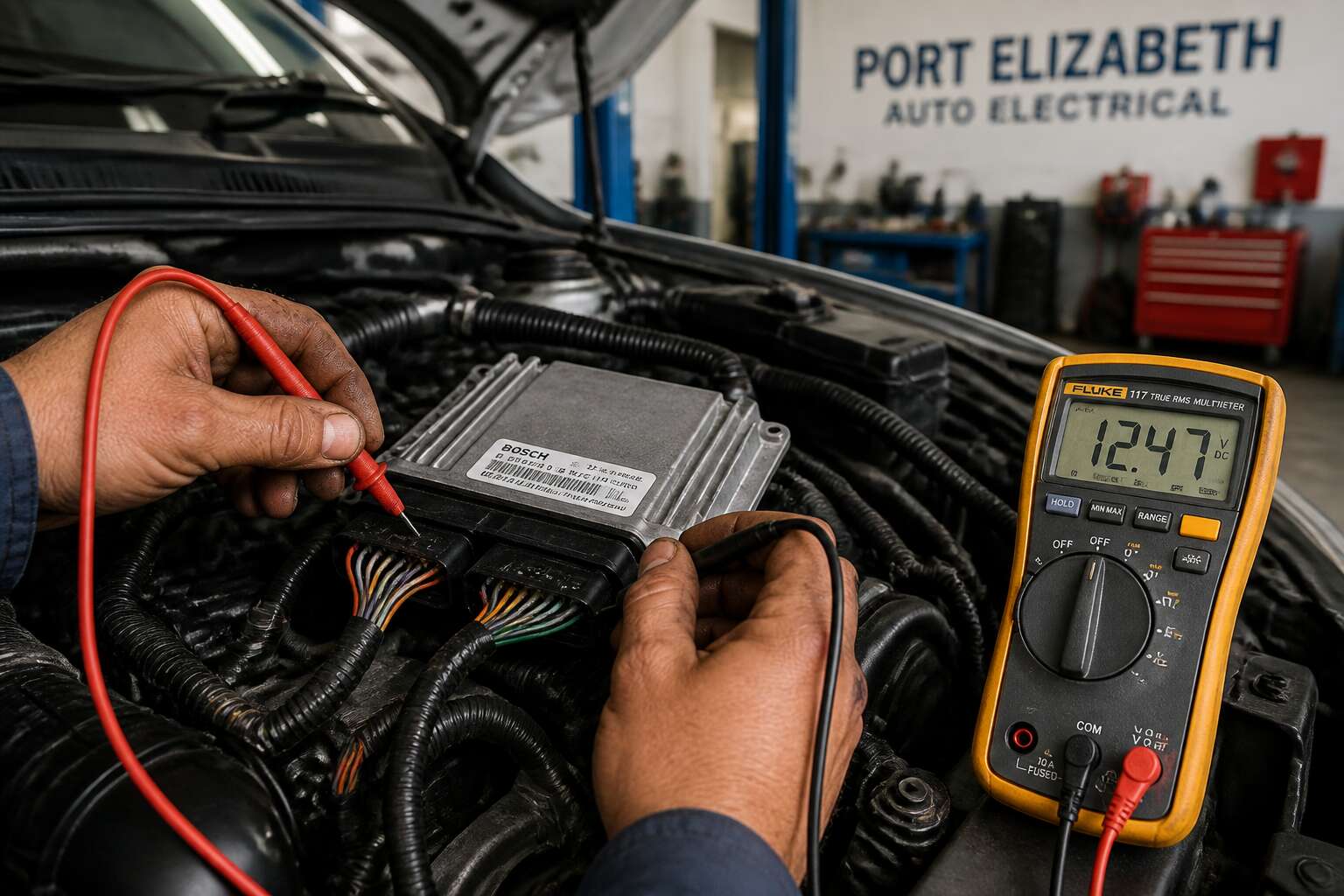
A proper inspection involves measuring the static voltage and then observing the dynamic behaviour while the engine runs. The charging output should be stable, typically between 13.8 and 14.4 volts, to confirm the regulator is functioning as intended. When we encounter parasitic drains, the process becomes a hunt through the various control modules, checking for those that refuse to sleep. This technical work is a specialty for those offering auto electrical port elizabeth services. For the local driver, turn to a specialist in auto electrical port elizabeth who understands the specific demands of our climate and road conditions.
Starter Motor and Ignition Testing
More than 40% of no crank conditions trace back to poor connections, not dead batteries. When a starter motor clicks but refuses to spin, the fault often hides in the solenoid or a corroded earth strap. Modern ignition systems add another layer, where coil packs and crankshaft sensors fail in unpredictable ways.
A systematic approach clarifies the issue:
- Measure voltage drop across the starter circuit.
- Test the ignition coil primary and secondary resistance.
- Inspect the crankshaft position sensor signal.
Each test demands the right equipment and patience. For drivers facing these intermittent faults, a specialist in auto electrical port elizabeth can trace the issue without replacing parts blindly. Local knowledge matters, especially with our humidity and dust. Trust the diagnostics over guesswork.
Advanced Scanner and Error Code Reading
Modern vehicles generate more data than a small office. The onboard system tracks fuel trims and transmission behaviour, and the error code is where conversations begin. Reading codes is straightforward. Interpreting them requires context.
A P0300 misfire code does not name the faulty cylinder. Fried wiring, a failing injector, or a vacuum leak all produce similar signals. Scanner work alone rarely solves a problem. The code narrows the search, not the answer.
Live data streams and freeze frame data reveal the real story. A specialist in auto electrical port elizabeth compares those numbers against known good values. Local conditions matter too. Heat, dust, and salt air age wiring harnesses faster here.
When the scanner flags a fault, smart operators follow a simple discipline:
– Record the freeze frame data first
– Test the circuit before replacing the part
– Clear the code and verify the fix under load
That last step matters. Many drivers pay for parts that clear a code temporarily. The underlying fault remains.
Specialized Auto Electrical Repairs and Replacements
Alternator and Dynamo Repairs
Alternators and dynamos convert mechanical rotation into electrical current, but they do not last forever. In auto electrical port elizabeth, common failures include:
- Worn brushes that no longer contact the commutator
- Failed diode packs that cause erratic charging
- Broken voltage regulators that allow overcharging
Each unit must be tested under load, not just at idle. We perform specialized alternator and dynamo repairs. This means dismantling the unit, inspecting the rotor, stator, and commutator, then replacing damaged parts. For instance, a slipping pulley can cause undercharging without any internal failure. I have fixed such issues with a simple pulley replacement.
When the casing is cracked or the shaft is bent, a full replacement becomes necessary. We also rewind coils for older vehicles, preserving their original setup. A thorough bench test ensures the repaired unit delivers stable voltage across all engine speeds.
Wiring Harness Restoration
Corroded connectors and brittle insulation cause nearly half of all electrical faults in vehicles over a decade old. In auto electrical port elizabeth, these issues demand more than a quick splice. We offer specialized auto electrical repairs and replacements that address the entire system.
Wiring harness restoration is one such service. We strip the harness out, inspect every wire, and replace sections that show swelling, green corrosion, or heat damage. Our goal is the original electrical performance, not a temporary bypass. I have seen countless cars return to the road after a full restoration!
Lighting and Indicator System Upgrades
Frantic clicking from a turn signal means trouble. In auto electrical port elizabeth, we treat lighting and indicator upgrades as a systematic check. The fault could be a relay, a socket, or a rubbed wire. We trace the circuit and replace only what needs fixing.
LED upgrades demand more than a new bulb. Resistors, drivers, and grounds separate a working flash from an intermittent failure. Choose from these improvements:
- Flasher relay swaps
- Sealed lamp connectors
- Correct gauge wiring
Done correctly, you get predictable lights that actually signal. No more surprise failures!
Central Locking and Alarm Systems
Central locking and alarm systems are the first line of defence against vehicle theft. In auto electrical port elizabeth, these systems often fail due to worn actuators, broken wiring in the door looms, or faulty control modules. A common issue is the remote losing sync with the receiver. We re-programme and test every component.
Door looms are a frequent culprit. The constant flexing of the rubber boot between the door and body snaps wires over time. We repair these breaks rather than replacing the entire harness. Alarm systems need proper sensor calibration to prevent false triggers.
Troubleshooting covers:
– Actuator motor testing
– Remote frequency checks
– Control module diagnostics
We verify each circuit before sealing everything back up. Anyone searching for auto electrical port elizabeth will find that reliable locks and alarms come from proper circuit work, not guesswork.
Why Port Elizabeth Drivers Face Unique Electrical Challenges
Coastal Corrosion and Moisture Damage
The salt air of Port Elizabeth is a persistent intruder. It settles on wiring looms, penetrates connector housings, and works into the smallest gaps. Unlike inland vehicles that age through wear and tear, coastal cars face a chemical attack. Moisture traps salt particles against terminals, and that mixture creates an electrolyte that eats through metal. Corrosion hides inside insulation, transforming a solid connection into a fragile one over months.
I have seen fuse boxes that looked perfect from the outside, yet the terminals crumbled on contact. For anyone seeking auto electrical port elizabeth specialists, this explains why faults appear intermittent but are actually consistent. The plastic housing stays intact while the metal inside dissolves. A visual inspection alone never reveals the full damage. Load testing and resistance measurements reveal the true state of these connections.
Road Conditions and Vibrations
Port Elizabeth roads punish vehicles with constant vibration. Potholes, uneven patches, and gravel surfaces transmit shock through the whole chassis. Wiring harnesses flex with every impact. Connectors loosen gradually, and terminals fracture at solder joints. Wire insulation rubs against brackets until copper strands short out.
- Loose earth straps at the battery and engine block
- Broken connector retention clips in engine bay looms
- Chafed wiring behind the dashboard and under the carpet
- Cracked solder joints inside fuse boxes and relay sockets
Each failure produces an intermittent fault that appears random. The engine cuts out over a bump, then runs fine for a week. Auto electrical port elizabeth specialists identify these issues through physical inspection and movement testing, not guesswork. For reliable auto electrical port elizabeth repairs, the technician must trace each circuit under load while shaking the loom.
Heat and Dust Exposure
Port Elizabeth occupies a unique position on the South African coastline, where the Indian Ocean meets the Baakens River. This geography creates a specific microclimate that presents distinct obstacles for vehicle owners. The air here carries a constant, invisible load of salt and moisture, a combination that accelerates the degradation of electrical components faster than in drier inland regions. When you couple this marine influence with the fine, abrasive dust carried by the notorious summer winds, the result is an environment that actively works against the integrity of your car’s electrical architecture.
The primary culprit is not always a single failed part, but the gradual breakdown of connections. Salt-laden air seeps into connectors and terminals, creating a thin, corrosive film that increases electrical resistance. This resistance generates heat, which further degrades the connection in a destructive cycle. Meanwhile, the ubiquitous dust acts as an insulator and an abrasive, settling into switches and relays. This combination often leads to symptoms that are baffling to the uninitiated, such as a headlight that flickers intermittently or a sensor that provides false readings. A professional auto electrical service in Port Elizabeth understands that these issues are often systemic, rooted in the environmental assault on the vehicle’s wiring loom, rather than isolated component failures.
For those driving in this region, the signs of this environmental toll are often subtle before they become critical. The heat of the summer months only compounds the issue, softening insulation and causing it to become brittle over time.
– Corroded battery terminals and cable ends that appear crusty or white.
– Headlights and dashboard lights that dim or fluctuate while idling.
– A persistent, unexplained drain on the battery that occurs overnight.
– Intermittent failure of electric windows, locks, or the central display unit.
These symptoms point toward the need for a meticulous approach. The solution lies in preventative maintenance and expert diagnosis. A skilled technician will not simply replace a battery or a fuse; they will inspect the entire circuit, looking for the tell-tale signs of green corrosion on copper wiring or the stiff, cracked sheathing that signals sun damage. They will test the integrity of the ground straps that connect the engine block to the chassis, areas often neglected until they cause dramatic failures. Ultimately, the longevity of your vehicle’s electrical system in this demanding coastal city depends on proactive care. A thorough inspection by specialists who know the local environmental pressures can save you from the frustration of being stranded, ensuring that the complex network powering your vehicle remains resilient against the persistent, corrosive embrace of the Bay.
The Importance of Marine-Grade Components
Living in Port Elizabeth means your car breathes salt. The air around Algoa Bay carries ions that settle into every connector, every relay. Standard electrical parts were never designed for this. They corrode from the inside out, often hidden behind clean plastic casings.
That is why auto electrical port Elizabeth specialists increasingly reach for marine-grade components. These are built with sealed connectors, tinned copper wiring, and corrosion-resistant alloys that withstand the relentless humidity. For example, a marine-grade fuse box can outlast a standard one by years in this climate. But the real difference is subtle: the terminals are plated to resist oxidation, and the insulation is formulated to repel moisture.
When you choose auto electrical port Elizabeth services that insist on these parts, you are investing in longevity. The bay will not stop sending its mist, but your car’s electrical system can learn to survive it.
Seasonal Weather Patterns
Port Elizabeth weather does not follow a gentle rhythm. Rain clusters in spring and autumn, arriving as short, violent downpours.
These bursts matter for your car’s electrics. A hot engine bay meets cold rain, and the temperature shock can crack brittle insulation. Water pools under bonnet seals and seeps into connectors that seemed sealed.
- Spring brings strong south-easterly winds that push salt spray further inland
- Autumn storms saturate the ground and flood low-lying roads
Each season changes how moisture behaves. Auto electrical port elizabeth specialists see the pattern clearly: cars fail most often when the weather shifts, not during the worst of it.
Selecting a Qualified Auto Electrician in Your Area
Credentials and Training Certifications
Nearly every vehicle breakdown in Port Elizabeth traces back to a faulty connection, not the dramatic failure of a major part. Someone who understands the local conditions can find the gremlin in the wiring before it strands you. While technical skill is essential, verifying the credentials of your auto electrical port elizabeth specialist is the first line of defense against shoddy workmanship.
Trace their training to the source. A certificate from a reputable institution such as the Institute for Motor Industry matters less than the specific courses they have completed. You want evidence of continued education, not a piece of paper from a decade ago. When you question them about their methods, watch for hesitation. A qualified professional details their process without bragging. Ask them directly about the following:
– Their experience with the specific make and model of your vehicle.
– The warranty they offer on their labour and the parts they source.
– Whether they carry liability insurance for the work performed.
Do not accept a verbal assurance. Request the physical proof that they have funded their own training, because this reflects a commitment that a casual handyman will never match. The final choice rests on their willingness to secure their own professional development. This diligence ensures your vehicle receives the precise, reliable electrical work required to handle the unique demands of driving in Port Elizabeth.
Experience with Your Vehicle Make and Model
Not every electrical fault announces itself. A specialist who knows the peculiarities of your vehicle’s wiring can trace intermittent failures to a specific harness location, a known connector weakness, or a factory recall modification.
Ask directly how many times they have worked on your make and model in Port Elizabeth. The answer reveals whether they bring familiarity or guesswork to your engine bay. Ask them to describe common electrical faults they see on that model locally. A precise, confident description indicates genuine exposure. A vague response signals the opposite.
Model-specific experience matters across manufacturers. Some brands use proprietary diagnostic protocols. Others bury their body control modules in difficult locations. For reliable auto electrical port elizabeth work, the technician who has navigated that routing before saves diagnostic hours and prevents collateral damage. When you find that combination of certification and hands-on history, you have secured the repair service your vehicle deserves.
Warranty and Service Guarantees
In the realm of automotive care, a warranty is the quiet contract that separates confidence from caution. When you commission an auto electrical specialist, insist on written service guarantees that outline what happens if the fault reappears within a defined period. A reputable workshop in Port Elizabeth will document their work with clear job cards and diagnostic records. This documentation matters when you return with a recurring issue.
Consider what the warranty protects you against:
– Premature component failure.
– Workmanship errors during installation.
– Repair costs that outlast the original symptom.
Professional workshops offer guarantees because they understand their diagnostic process. When an auto electrical port elizabeth specialist stands behind their work, you receive assurance that the repair endures. That commitment transforms a transaction into a partnership where your vehicle remains the priority. The right specialist in this coastal city will explain their terms before you commit.
Customer Reviews and Reputation
Somewhere in Port Elizabeth, a motorist with a dashboard that resembles a Christmas tree is scrolling through online reviews. For auto electrical port elizabeth services, reputation often hinges on a handful of angry one-star rants and a dozen suspiciously glowing five-star tributes.
Reputation in this trade is earned through consistency, not heroics. A qualified auto electrician accumulates trust by solving intermittent faults that other workshops misdiagnose. When you scan customer feedback, look for patterns. Do complaints mention the same issue repeatedly? Does praise come from owners of your vehicle’s make? A single bad review is noise; a recurring theme is a signal.
- Specific descriptions of the fault and repair process
- Mentions of clear communication and transparent pricing
- Comments about the workshop’s willingness to stand behind the work
The best auto electrical port elizabeth specialists let their work history speak, and their customers do the talking.
Turnaround Time and Diagnostic Fees
Selecting a qualified auto electrician starts with asking who will touch your vehicle. Many workshops outsource electrical work to an auto electrical port elizabeth specialist who appears twice a week. That creates a logistical problem when your car needs a follow-up. The person who answers the phone should be the person who opens the bonnet.
Turnaround time and diagnostic fees deserve scrutiny before you hand over the keys. A fair fee is reasonable; an inflated one often funds guesswork. Ask what it covers first.
- Does the fee apply toward the repair?
- Does the quote include a diagnosis time frame?
- Will they call before proceeding with more work?
Some apply the fee toward the repair, others treat it as a donation. That distinction reveals an auto electrical port elizabeth service’s character. Ask for a written turnaround estimate, not a shrug. Intermittent faults resist deadlines, but a professional gives a ballpark.
Mobile vs. Workshop-Based Services
A two post lift cannot fold into a van. That single fact separates mobile technicians from workshop based auto electrical port elizabeth specialists. A mobile electrician can handle dead batteries, failed starters, and broken wiring at your gate. But a fault that only appears while the car is moving will defeat a static test. The workshop can replicate that condition on a lift with the engine under load.
Mobile services offer convenience. Workshop services offer depth. A technician who only works from a van carries what fits in the load bay. A workshop stores diagnostic machines, replacement looms, and years of salvaged parts.
Some mobile specialists belong to a larger auto electrical port elizabeth outfit. Others operate alone. Neither is better. The choice depends on your car’s condition.
Before you book, ask where the diagnosis will happen and where the repair will happen. If the answers differ, your car will face two separate waiting periods.
Preventative Maintenance Tips for Long-Lasting Electrical Systems
Regular Battery Testing and Replacement
Batteries rarely fail on schedule; they silently lose capacity. The coastal atmosphere in auto electrical port elizabeth accelerates the sulfation on the lead plates, which diminishes your cranking amps long before a morning you are late. A static voltage reading of 12.6 volts tells you almost nothing, the real test requires pulling a controlled load to see if the battery maintains its duty. This is the definitive diagnostic for a healthy start.
Proactively replacing a battery that fails a load test protects the alternator and the entire control module. The degradation of the battery, left unattended, causes the charging system to work overtime. Keeping a careful eye on this central component is the single most effective step in preventing an electrical breakdown from leaving you stranded. The coil is genuinely vulnerable without it.
Cleaning and Protecting Connectors
Salt from the coastal air attacks your wiring harness from the inside out. It settles into the pin cavities and leaves a mineral film across the metals. The corrosion takes months to grow, yet the first symptom is often a random glitch, a stalling engine, or an ABS warning light that disappears.
A simple check can prevent this. Pop the connector housings, clean the pins with contact cleaner, then apply dielectric grease. That barrier is your actual protection.
The most affected junctions include:
– The harness loom at the bonnet hinge
– The bulkhead connector leading into the cabin
– The wheel speed sensor plugs at each corner
– The ground strap that bolts to the body shell
In auto electrical port elizabeth, the humid sea air never sleeps. Sealed connectors on older vehicles lose their rubber grip, and a small gap becomes a path for salt. Preventing this is routine. Ignoring it will cost you a full module.
Checking Alternator Health
An alternator can outlive the engine, but only if it receives proper attention. A failing unit often hides until the battery goes flat at the worst moment. In auto electrical port elizabeth, the coastal heat and salt haze strain the charging system more than inland drivers realise.
Checking belt tension and pulley movement takes minutes and reveals early fatigue. Charging voltage should hold steady at idle and rise under load. A high pitched whine from the rear bearing is a warning that the regulator is about to quit.
Inspecting Fuses and Relays
The humble fuse box often escapes notice, yet it is the first place a fault reveals itself. In auto electrical port elizabeth, humidity and temperature swings work against relay contacts, encouraging oxidation on their mating faces. A relay that clicks softly but fails to deliver power to the fuel pump or cooling fan often has a charred contact surface underneath the translucent cover.
Fuses deserve a slow, deliberate inspection:
- Plastic fuse windows with a brownish tint signal thermal stress.
- Relay terminals with tiny pits or a burned smell indicate arcing.
- Ceramic holders that feel brittle after a few years of heat exposure should be replaced before they crack mid-drive.
Each of these signs points to resistance building in the circuit, long before the dashboard warning light appears.

0 Comments